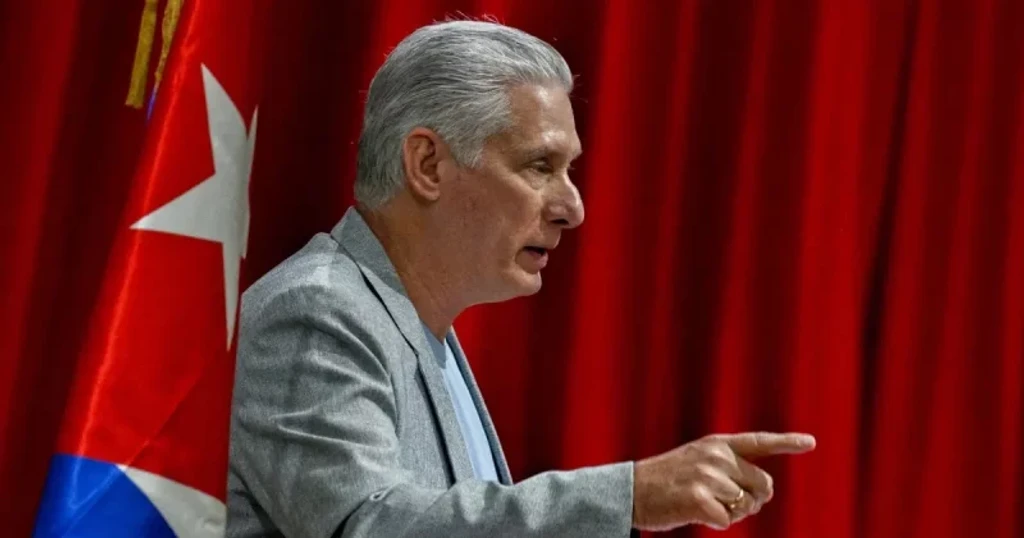
The US Treasury Department leveled sanctions on Cuban President Miguel Diaz-Canel, his wife, and senior officials on June 5, freezing US-based assets and barring transactions with American entities. President Trump stated the US wants Cuba to be a “well-run country.”
But buried in the filing is a notable omission: there is no mention of digital assets, blockchain, or cryptocurrency anywhere. In a country where over 100,000 people had adopted Bitcoin by mid-2022, that gap is significant.
What the sanctions actually do
The OFAC filing targets GAESA, a military-run conglomerate that controls an estimated 40% to 70% of Cuba’s economy. These measures freeze assets under US jurisdiction and prohibit American citizens and companies from dealings with them. Secondary sanctions extend the reach to foreign entities.
The crypto loophole
The sanctions and the May 2026 executive order lack specific provisions addressing cryptocurrencies or decentralized finance. Cuba formalized digital asset regulations in 2021 and began licensing virtual asset service providers in 2022. Over 100,000 Cubans use crypto for remittances and to bypass severe banking restrictions.
Investor implications
Decentralized protocols operate in a regulatory gray zone. Peer-to-peer and decentralized exchange transactions remain unaddressed. Traders should monitor on-chain activity tied to Cuba, as any uptick could prompt Treasury to close this loophole.