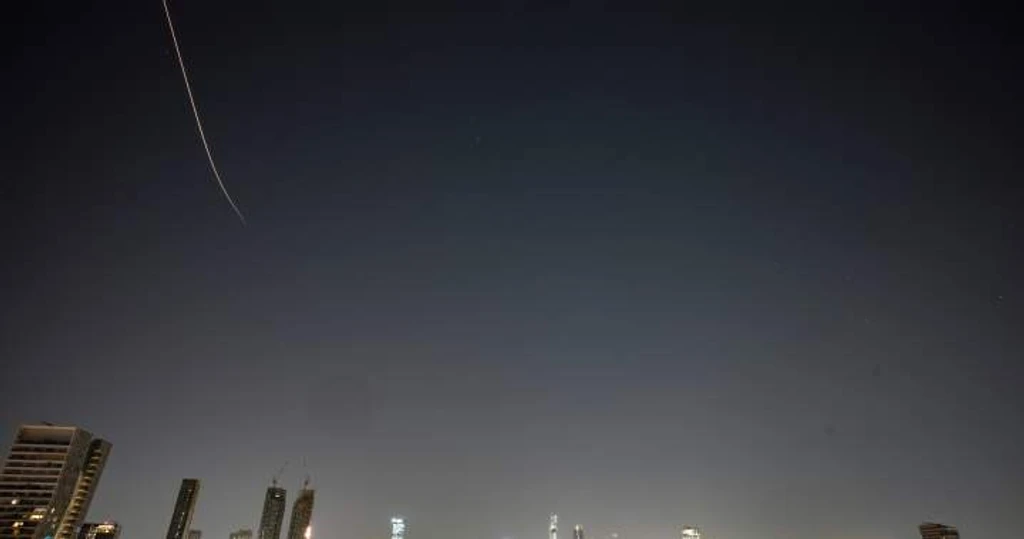
Iran and Israel launched major strikes against each other Tuesday while conflicting signals emerged over potential U.S.-Iran talks to end the war.
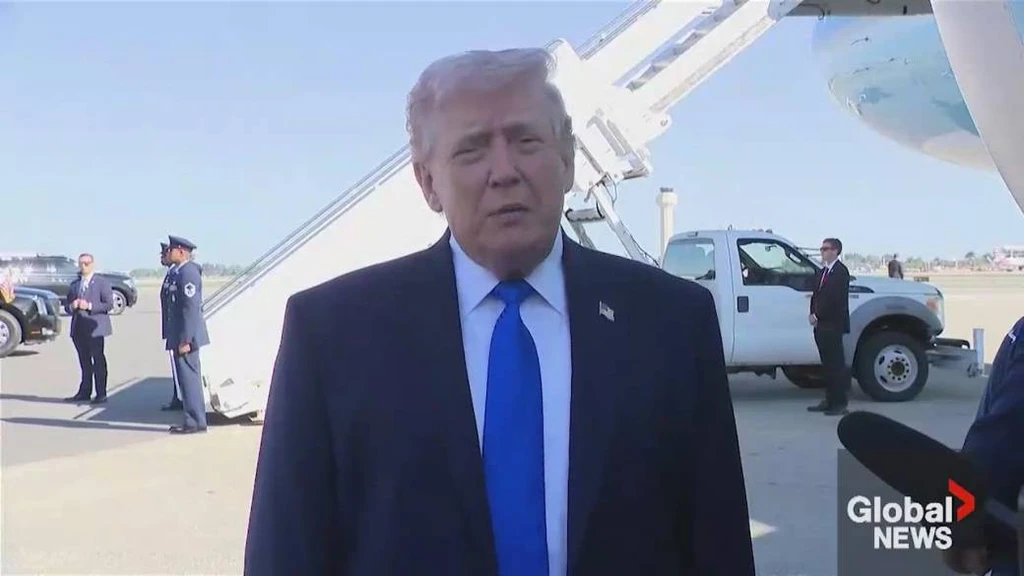
President Donald Trump claimed the U.S. was in “very strong talks” with Tehran to reopen the Strait of Hormuz and avoid bombing Iranian power plants-delaying a self-imposed deadline by five days. But Iran denied any negotiations are underway, with Parliament Speaker Mohammad Bagher Qalibaf calling such reports “fakenews.”
Iranian missiles and drones struck Tel Aviv and Gulf states, including Saudi Arabia, Bahrain, and the UAE. In Israel, a 100-kilogram warhead hit central Tel Aviv, injuring four. Israel retaliated with extensive airstrikes on Iranian “production sites,” causing massive explosions in Tehran.
Lebanon’s government severed ties with Iran, expelling its ambassador and banning Iranian flights over fears of Hezbollah weapon shipments. Israeli strikes have killed over 1,000 in Lebanon and displaced more than a million.
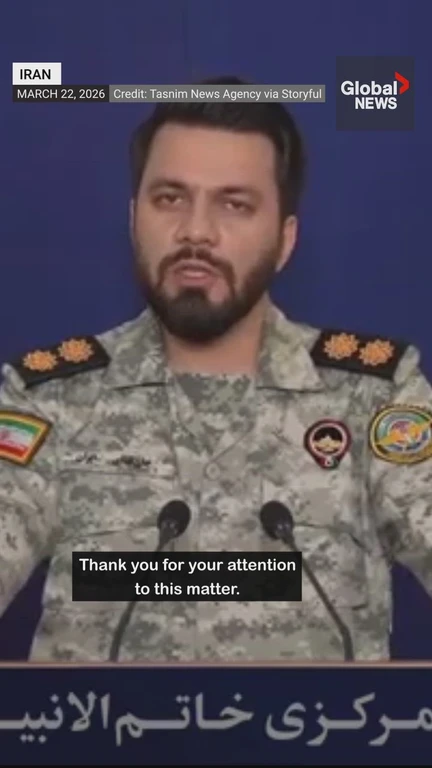
U.S. Marines are deploying to the Gulf amid speculation Washington may target Kharg Island, critical to Iran’s oil exports. Iran has threatened to mine the Persian Gulf if U.S. ground forces approach.
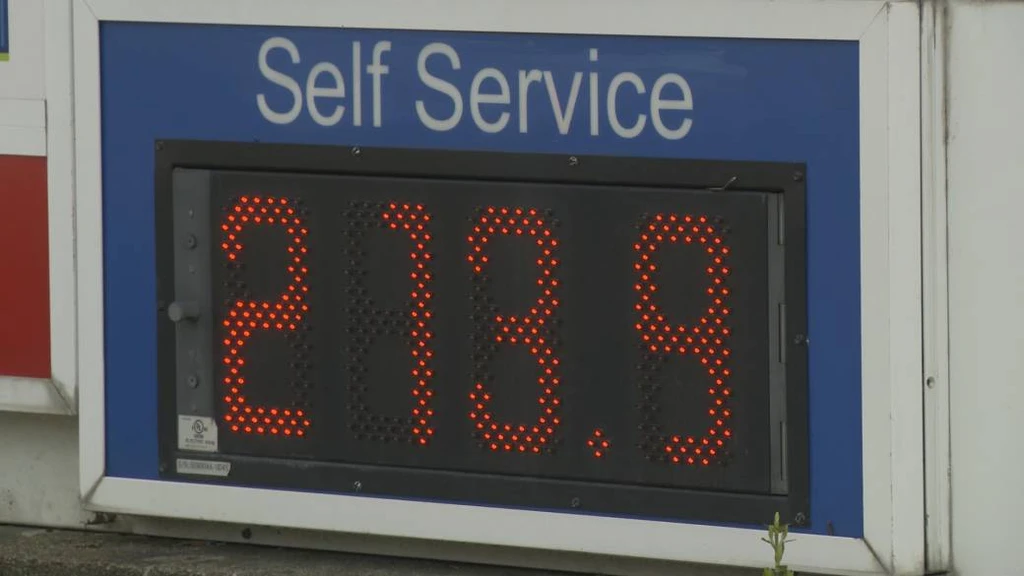
Oil prices briefly dipped on talk of diplomacy but rebounded past $100 per barrel. Iranian officials insist they will fight “until complete victory,” while U.S. mediators pursue trust-building measures focused on energy infrastructure protection and Hormuz access.