More than three months into the war on Iran, the aftershocks from disrupted Middle Eastern energy and shipping routes are being felt far beyond the oil market. The conflict has disrupted trade through the Strait of Hormuz, driving up costs of fuel, petroleum-based materials, and less obvious goods across Southeast Asia.
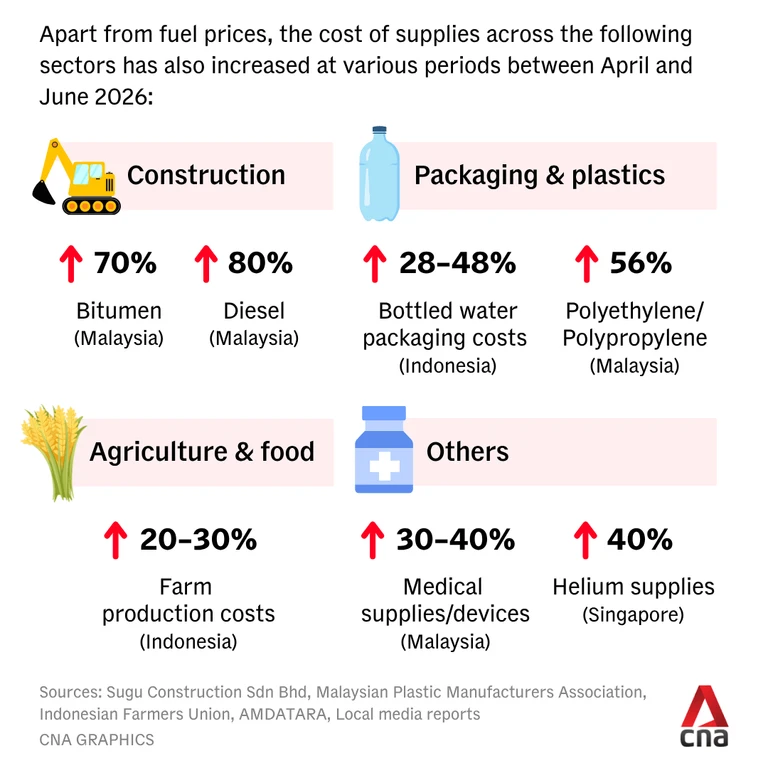
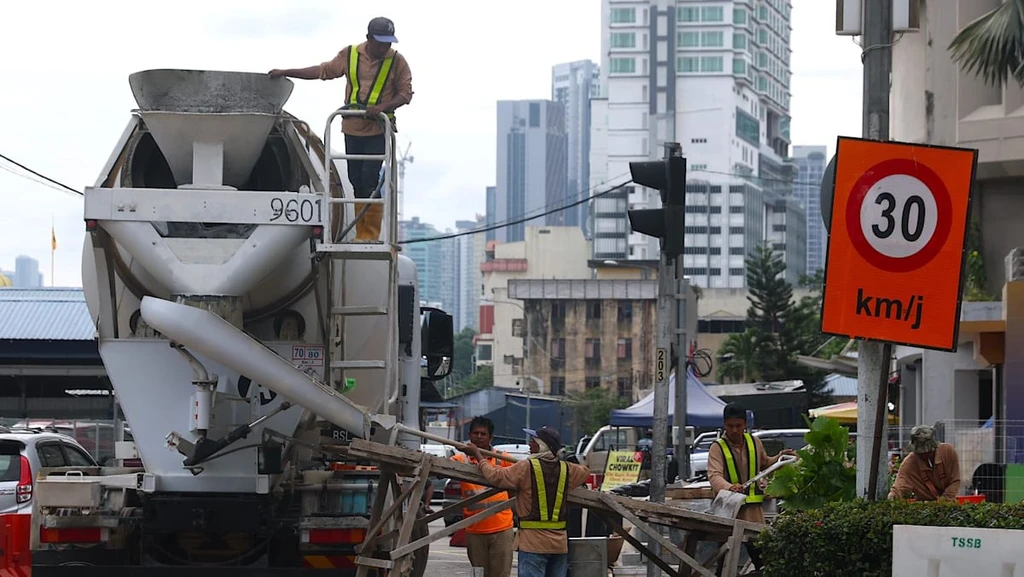
For Malaysian contractor Sukumar Subrayalu, founder and managing director of Sugu Construction, the impact has been profound. The price of bitumen has surged some 70 percent, while diesel prices have jumped by more than 80 percent. Suppliers are revising prices at short notice, squeezing contractors already locked into fixed-price agreements.
Malaysia’s Deputy Works Minister Ahmad Maslan said in April that a third of road construction and maintenance projects across the country had experienced delays due to rising costs. Across the region, the plastics industry is reeling. In Indonesia, entrepreneurs have taken to social media with parody TikTok videos showing products wrapped in banana leaves.
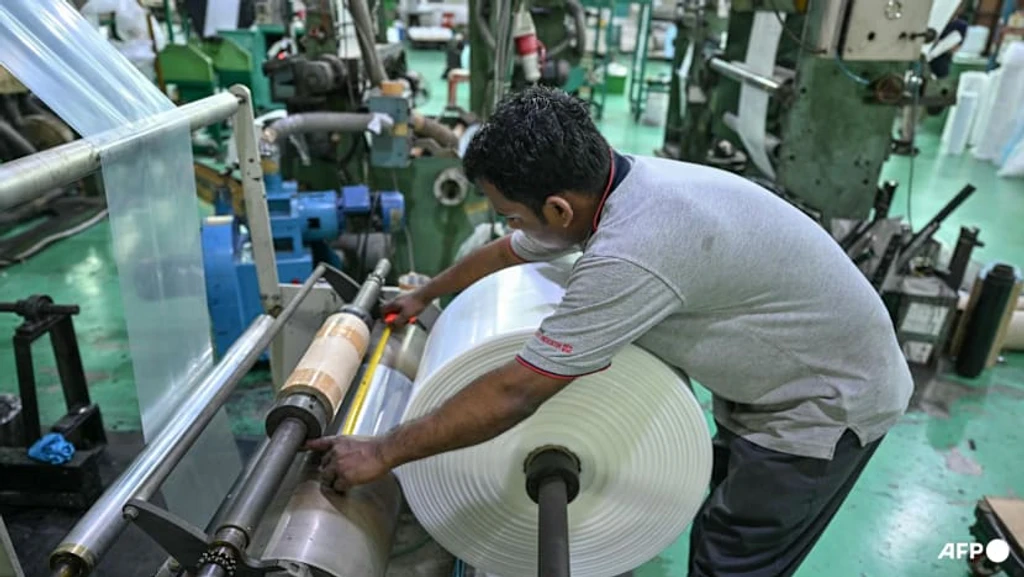
Price of polyethylene and polypropylene jumped by about 90 percent in April. The conflict has also tightened global helium supplies, pushing prices higher for party and event businesses. Meanwhile, soaring fertilizer prices have created an "economic checkmate" for small farmers. Food and beverage operators have begun passing on costs to consumers.
Experts warn the disruptions are likely to persist beyond the next six months, describing the impact as a long-term "structural shock" to regional supply chains and production costs. The crisis has highlighted Southeast Asia’s heavy dependence on imported raw materials and energy supplies linked to the Middle East, prompting calls for greater supply diversification.