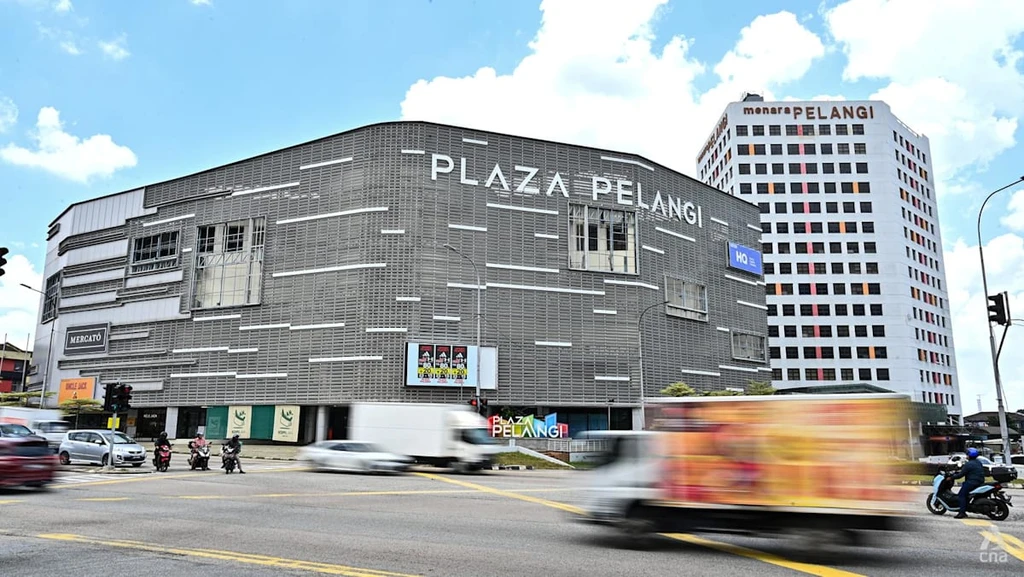
Johor Bahru's Taman Pelangi, once known for its quiet charm and landed homes, is on the cusp of a major revitalization. The upcoming Johor Bahru-Singapore Rapid Transit System (RTS) Link is significantly boosting land values and interest in redeveloping older commercial sites.
Pelangi Leisure Mall, a two-storey complex, is reportedly attracting developer Exsim Group for a potential high-density, mixed-use transformation. Property experts note that land values in Taman Pelangi have surged 50-60% in five years, driving the shift from older structures to integrated, high-rise developments.
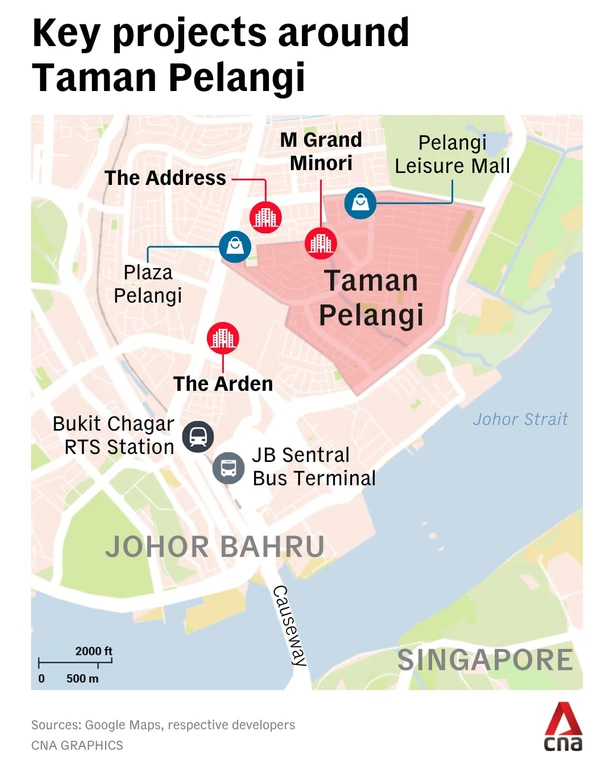
Another aging mall, Plaza Pelangi, is also part of this wave. Permodalan Nasional Bhd (PNB), the owner, is reviewing its portfolio for higher returns. Property consultants suggest PNB can capitalize on RTS-driven optimism by selling these assets at a premium. The RTS Link, scheduled for January 2027, is expected to carry up to 10,000 passengers per hour, increasing the area's appeal for residents and retail.
Future developments are targeting higher-income groups, including Singaporeans seeking cross-border homes and Malaysians working in Singapore. High-rise projects like M Grand Minori and The Arden are already underway. Street-level changes see shophouses being replaced by boutique retailers, reshaping the neighborhood into a lifestyle district.
Speculation is rife about Singaporean retailer Mustafa acquiring Plaza Pelangi, which could significantly boost Johor Bahru's retail landscape with its large-scale, round-the-clock model. However, this potential shift raises concerns for existing small tenants about rent increases and business viability. Analysts suggest that in the RTS era, Taman Pelangi's assets will need to be large-scale or redeveloped into high-density residential projects.
New serviced residence projects are emerging, including Mah Sing Group's M Grand Minori and Maxim Pelangi’s The Address. The transformation is turning Taman Pelangi into a high-density, integrated lifestyle hub, drawing parallels to Singapore's successful urban models.