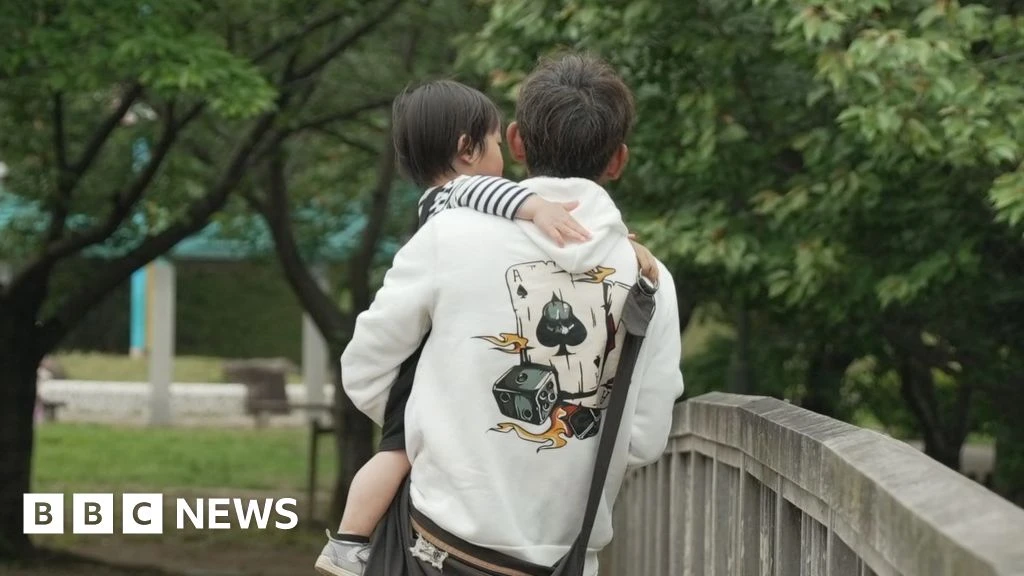
Japan has implemented a landmark revision to its Civil Code, allowing divorced couples to share custody of their children. The change, effective April 1, 2026, ends Japan's status as the only G7 nation without a legal joint custody framework.

Under the previous system, only one parent held legal rights after separation, often forcing the other parent to disappear from their children's lives. The new law recognizes that children can benefit from maintaining relationships with both parents.
Critics, including domestic violence survivors and shelters, warn that joint custody could endanger victims of abuse by forcing continued contact with abusers. The law includes provisions for courts to award sole custody in cases where domestic violence or child abuse is proven.
Seiya Saito, a family lawyer in Tokyo, emphasized the system now focuses on "the best interest of children." However, survivors like Ryo Suzuki express ongoing anxiety about potential re-engagement with abusive ex-partners.

The reform arrives as Japan faces a declining birthrate and aging population, intensifying pressure to better support families and reduce financial burdens on single parents.