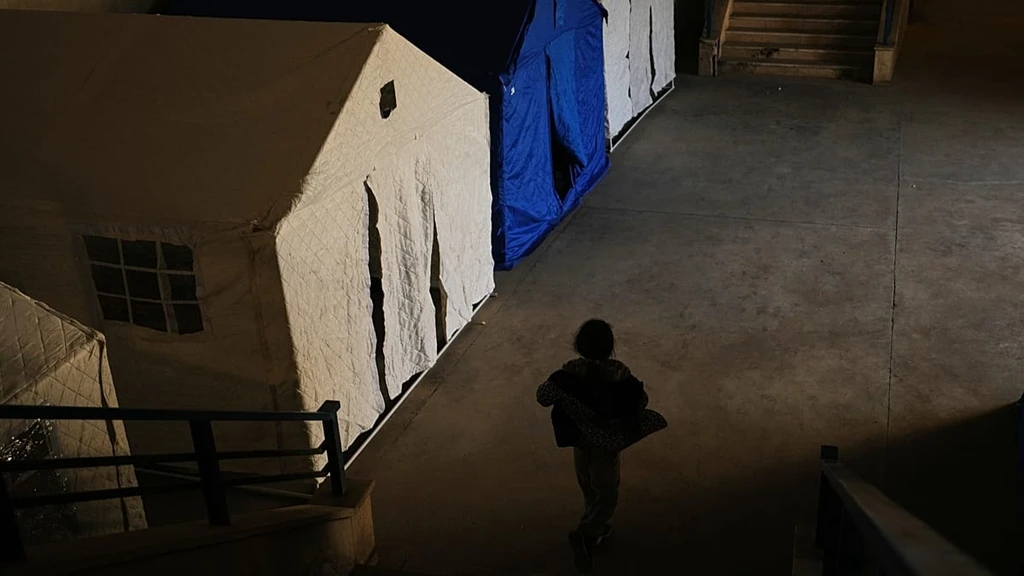
Hezbollah's missile launch towards Israel triggered a mass exodus of hundreds of thousands of Lebanese from the south. The United Nations reports approximately 700,000 people, including 200,000 children, have fled their homes.
Many fear a repeat of past Israeli military operations that caused widespread destruction and gridlock. Displaced individuals report a lack of organized state response, with authorities criticized for abandoning them to face the crisis alone.
While the Lebanese state has announced limited aid and hot meals, these provisions are insufficient for the scale of the humanitarian crisis. Over 120,000 people are in shelters, with aid covering only a fraction of essential needs like food, rent, and healthcare.
The crisis has exposed deep societal divisions, with some citizens offering aid while others exploit the situation by drastically increasing rental prices. Calls to expel displaced people, holding them responsible for the ongoing conflict, have also emerged.
Families are forced into makeshift shelters, including schools and vehicles, with reports of homeowners demanding exorbitant rents. The Lebanese pound's volatility exacerbates the financial strain on those displaced.
Young volunteers are stepping in to distribute food and basic necessities, collecting donations through social media. They highlight the refusal of some Lebanese to host refugees and the unaffordable rent increases as key issues, alongside the state's inadequate response and discriminatory practices in Beirut.
Schools are overcrowded, with multiple families sharing limited spaces. Volunteers express concern that dwindling donations could worsen the situation if the conflict prolongs, recalling similar scenes from previous wars.