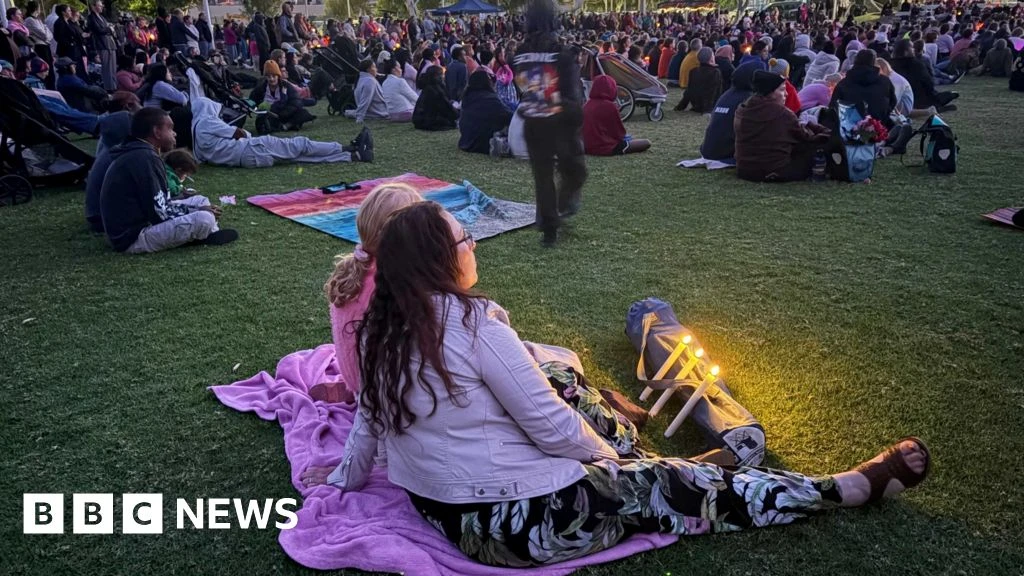
The disappearance and alleged murder of five-year-old Kumanjayi Little Baby has ignited grief and outrage across Australia, exposing the profound inequalities faced by Indigenous communities. Her body was found five days after she went missing from the Old Timers town camp, or Ilyperenye, on the outskirts of Alice Springs. An Aboriginal man has been charged with her murder.
The tragedy has united the nation in sorrow. Prime Minister Anthony Albanese said the case 'breaks your heart,' and condolence motions were passed in parliament. Yet, as Catherine Liddle of SNAICC notes, it also brought to the surface 'how deeply Aboriginal and Torres Strait Islander people love and care for their children.'
Kumanjayi Little Baby was a Warlpiri girl, described by her mother as a 'princess' who loved cartoons and computer games. She lived in one of 16 town camps that first emerged in the 1880s after displacement by European settlers. These camps suffer from overcrowding, poor infrastructure, and limited services-conditions experts say fuel alcoholism and domestic violence.

'Heavy things happen in this town,' said Dr. Nina Lansbury, an academic who attended a vigil. She cited a 1978 report detailing identical issues, lamenting that little has changed in nearly 50 years.
The case has triggered fresh debate over child protection. Northern Territory Minister Robyn Cahill announced a review, promising not to 'abandon yet another generation.' However, Aboriginal organizations fear this could weaken the Aboriginal Child Placement Principle, calling it a 'race-based attempt to blame Aboriginal families.'
Indigenous Australians face stark disparities: higher unemployment, lower life expectancy, and disproportionate incarceration. Children as young as 10 can be jailed in the Northern Territory after the government lowered the age of criminal responsibility in 2024.
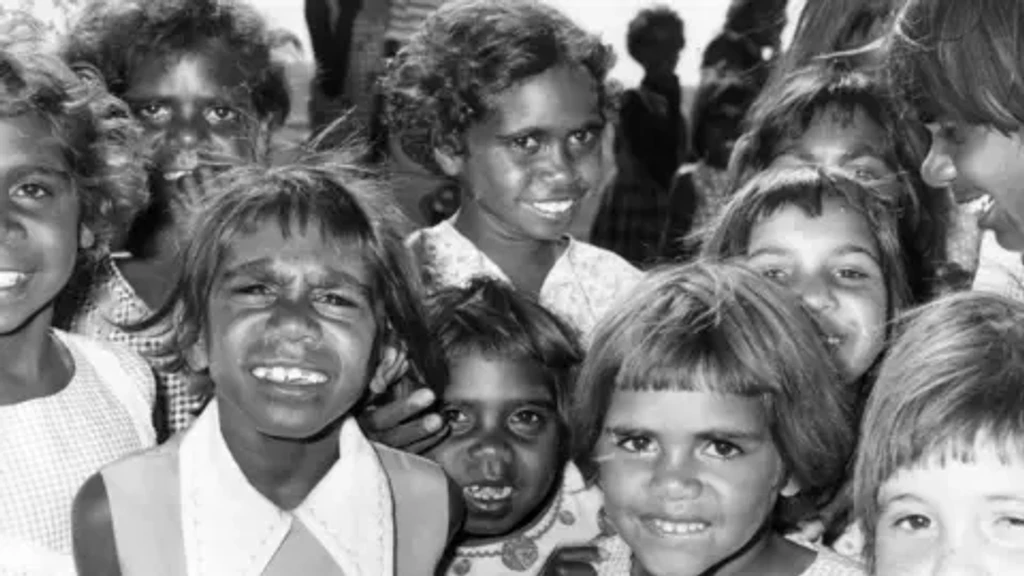
'It's like paving a road... and by the way, we're going to lock you up at the age of 10,' said Liddle, arguing that solutions must be community-led. Generational disenfranchisement-Aboriginal people were not granted full voting rights until 1984-has created a vicious cycle of poverty and crime. In Alice Springs, sports fields and homes are increasingly fenced off to curb youth crime.
For now, the community remains in 'sorry business,' a period of grieving. As one resident noted, 'The notion of Aboriginality is far more diverse and complex than that.'