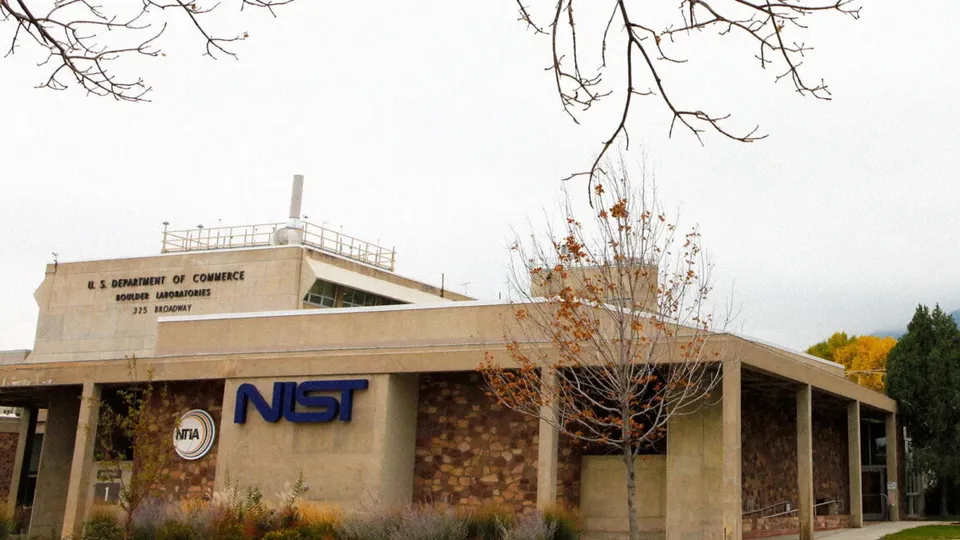
The National Institute of Standards and Technology (NIST), a premier U.S. government research laboratory, is reportedly enacting measures that could deter foreign scientists. This development raises concerns among lawmakers and experts about a potential loss of valuable expertise and damage to the agency's global standing.
NIST plays a crucial role in establishing frameworks for cybersecurity, semiconductor manufacturing, AI system security, and health-related research. The agency relies on a diverse international workforce of scientists, postdoctoral researchers, and guest scholars for their specialized knowledge.
Rumors of stringent new policies have circulated for weeks, with congressional leaders expressing frustration over a lack of clear communication from NIST. A letter from House Committee on Science, Space, and Technology Democrats stated that steps are being taken to limit foreign-born researchers' work at the lab, potentially impacting long-term projects that often require five to seven years for completion.
Sources indicate that some planned foreign hires have already been canceled due to uncertainty surrounding new security protocols. While NIST cites the need to protect U.S. science from theft and abuse, details on the justification and implementation of these changes remain unclear.
Concerns extend beyond NIST, with broader policy shifts under the Trump administration potentially impacting the U.S. tech and science sectors. These include changes to H-1B visas, student visa revocations, and proposed limits on post-graduation training for international students.
Former NIST Director Pat Gallagher warned that such measures could erode the agency's credibility and its ability to foster global scientific collaboration. The potential exodus of international talent at NIST could further hinder U.S. competitiveness in vital research fields, underscoring the importance of attracting global expertise.