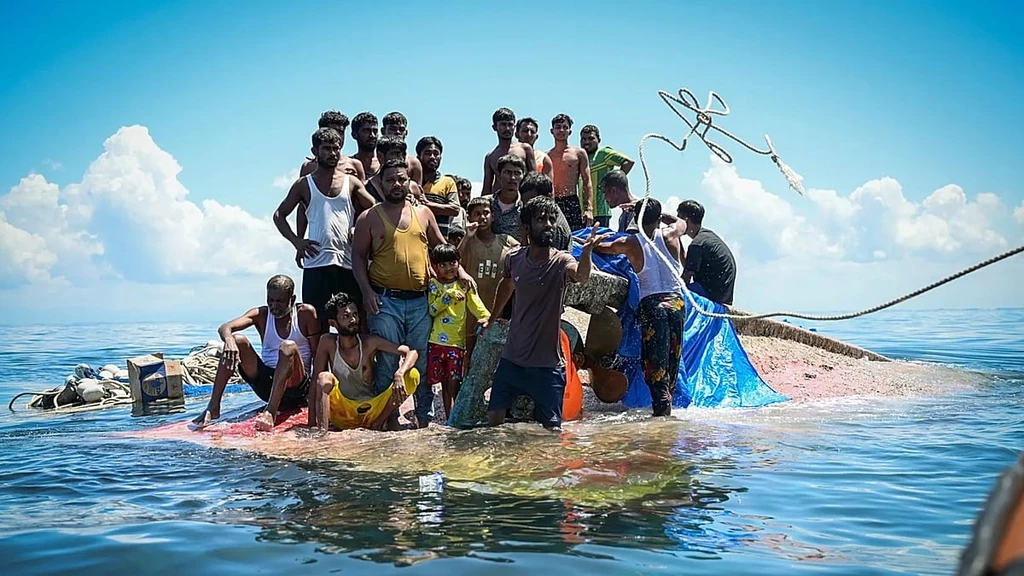
Last year marked the deadliest period on record for Rohingya refugees undertaking perilous sea voyages, according to the UN. The United Nations refugee agency reported that in 2025, nearly 900 Rohingya refugees were lost or went missing in the Andaman Sea and Bay of Bengal. This represents the highest mortality rate worldwide for any major sea route for refugee and migrant journeys.
More than 1 million Rohingya refugees reside in massive camps in Bangladesh, having fled persecution and conflict in Myanmar's Rakhine state. Many embark on dangerous sea journeys in rickety boats, often operated by trafficking networks, seeking better living conditions. Since 2012, an estimated 200,000 Rohingya have attempted these crossings, with over 5,000 lives lost in the past decade.
Conditions in the refugee camps, including limited aid, insecurity, and restricted access to education and livelihoods, along with ongoing conflict in Rakhine state, push refugees toward these desperate measures. In recent years, women and children have constituted over half of those attempting these crossings.
Just this month, a boat carrying approximately 280 Rohingya refugees and Bangladeshi migrants capsized in the Andaman Sea en route to Malaysia. Despite nine rescues, an estimated 250 individuals remain missing. UNHCR is providing support to survivors and urges states to address the root causes of displacement and enhance regional cooperation to prevent further tragedies.