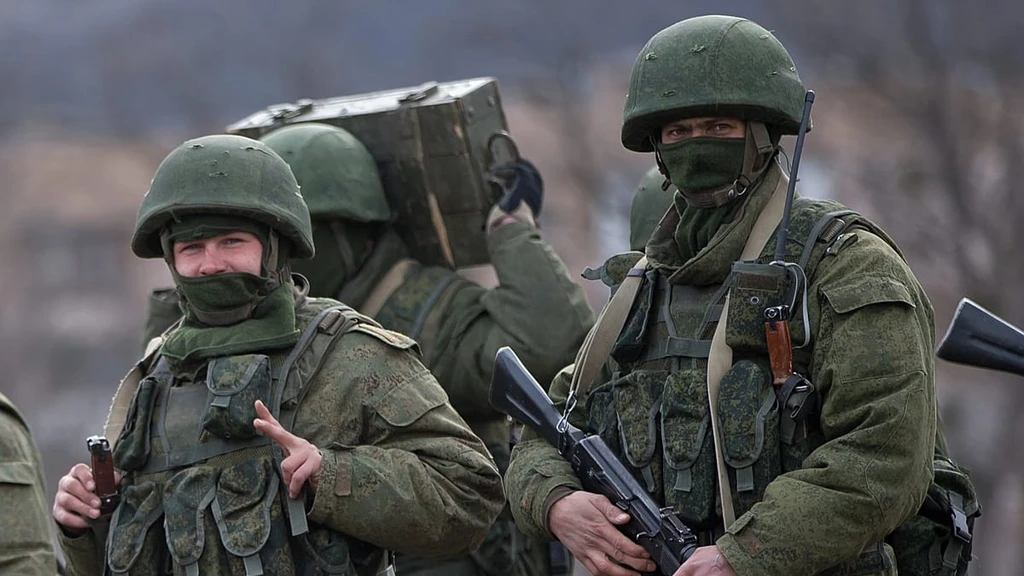
Estonia’s third-largest city, Narva-home to over 50,000 residents, 90% Russian-speaking-is at the center of a Kremlin-inspired disinformation campaign branding it the “People’s Republic of Narva.”
The effort, tracked by Estonian anti-propaganda group Propastop, uses Telegram channels like “Narva Republic” to circulate fabricated narratives of ethnic discrimination, calls for armed resistance, and staged military scenarios targeting nearby towns.
Posts include doctored quotes from Estonian Foreign Minister Margus Tsahkna and mock daily schedules of a fictional “Narva militia,” blending dark humor, pro-Russian music, and separatist symbolism like newly designed flags and maps.
Estonian intelligence labels this a coordinated psychological operation aimed at sowing societal division-not an imminent invasion threat. Military analyst Dr. Carlo Masala calls it classic hybrid warfare: low-cost, high-anxiety propaganda mirroring Russia’s 2014 playbook in Donetsk, Luhansk, and Crimea.
Narva’s strategic location on the Russian border makes it a pressure point. Should conflict erupt, NATO’s Enhanced Forward Presence in Estonia would respond first, potentially reinforced by Germany’s Battletank Brigade 45 stationed 400 km away in Lithuania-though Berlin may hesitate to escalate.
Masala warns the real danger isn’t tanks, but erosion of trust: “It’s about making people nervous, even hysterical.” With no evidence of systemic persecution of Russian speakers in Estonia, experts stress the narrative is manufactured to justify future “protection” claims from Moscow.