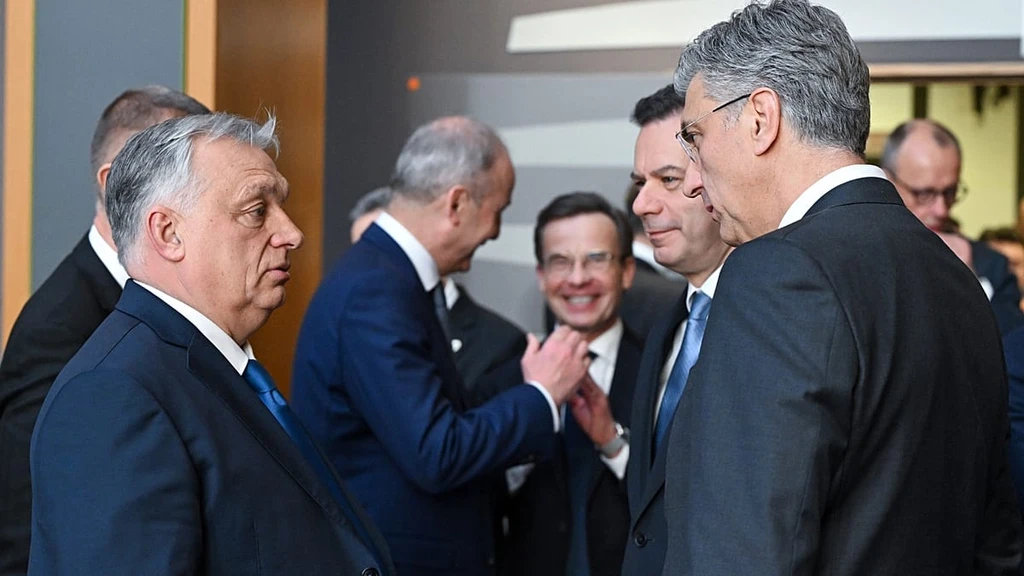
EU leaders erupted in rare public condemnation of Hungarian Prime Minister Viktor Orbán after he vetoed a €90 billion loan package for Ukraine during marathon talks in Brussels.
Orbán cited disruption to the Druzhba pipeline-used to transport cheap Russian oil to Hungary and Slovakia-as justification. While Kyiv blames a late-January Russian drone strike, Orbán alleges deliberate sabotage.
European Council President António Costa delivered a sharp rebuke: “Nobody can blackmail the European Council.” He noted Ukraine had already allowed an EU inspection of the damaged pipeline despite President Volodymyr Zelenskyy’s objections to resuming Russian oil transit during wartime.
Diplomats described the summit as “fiery,” with leaders accusing Orbán of imposing impossible conditions while Russia continues missile attacks on Ukraine. Orbán, campaigning for re-election on April 12, claimed EU institutions are financing efforts to oust him.
Ukraine’s Finance Minister Serhiy Marchenko expressed confidence the loan would eventually be secured but called the veto “definitely not welcome news.”
The impasse leaves the EU with two paths: restore Russian crude flow within four to six weeks-or await Hungary’s election outcome.
Separately, the summit addressed escalating Middle East tensions following Iranian strikes on Qatari LNG facilities, which spiked global gas prices by 30%. Commission President Ursula von der Leyen proposed tax reforms and state aid to cushion electricity costs, while EU states reaffirmed support for the Emissions Trading System.
Five European nations plus Japan pledged contributions to secure the Strait of Hormuz-but only after a ceasefire.