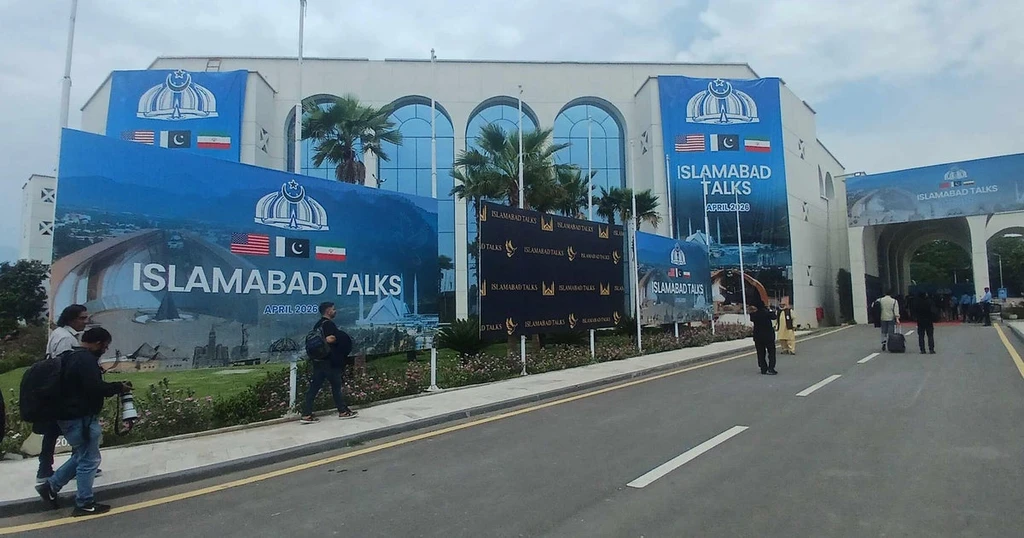
As Pakistan positioned itself as a diplomatic conduit between Tehran and Washington, it quietly allowed Iranian military aircraft to park on its airfields, potentially shielding them from American airstrikes, according to U.S. officials with knowledge of the matter.
Iran also sent civilian aircraft to park in neighboring Afghanistan. It was not clear if military aircraft were among those flights.
Together, the movements reflected an apparent effort to insulate some of Iran's remaining military and aviation assets from the expanding conflict, even as officials publicly served as brokers for de-escalation.
Days after President Trump announced a ceasefire with Iran in early April, Tehran sent multiple aircraft to Pakistan Air Force Base Nur Khan, a strategically important military installation just outside Rawalpindi. Among the military hardware was an Iranian Air Force RC-130 reconnaissance aircraft, a variant of the Lockheed C-130 Hercules.
A senior Pakistan official rejected the claims, stating that Nur Khan base is in the heart of the city and a large fleet of aircraft parked there can't be hidden from the public eye.
According to an Afghan civil aviation officer, an Iranian civilian aircraft belonging to Mahan Air landed in Kabul shortly before the war and remained parked there. When Pakistan began airstrikes on Kabul in March, the Taliban moved the aircraft to Herat Airport near the Iranian border for safety.
Taliban's chief spokesman denied the presence of any Iranian airplanes in Afghanistan.
Pakistan has attempted to navigate both sides of the crisis, presenting itself to Washington as a stabilizing intermediary while avoiding steps that could alienate Tehran or China, Iran's most powerful international backer.
Iran's latest proposal to end the war included demands for U.S. war reparations, recognition of Iranian sovereignty over the Strait of Hormuz, and removal of American sanctions. President Trump rejected the counteroffer as "TOTALLY UNACCEPTABLE."
Small-scale clashes continued around the Strait of Hormuz, underscoring the fragility of the ceasefire. The United Arab Emirates reported Sunday that Iranian drones again targeted its territory.