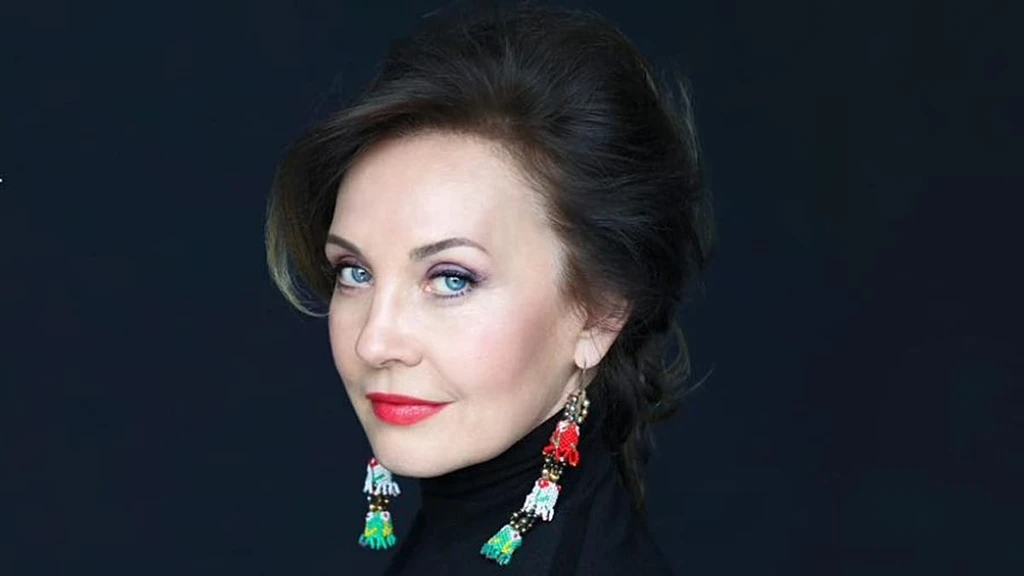
Internationally acclaimed soprano Andrea Rost, known for gracing the world's greatest opera stages, has shifted her focus from music to political change in Hungary. Since 2010, Rost has resided in Hungary, previously exploring other artistic avenues like founding an opera academy.
For nearly two years, Rost has been a prominent figure at political demonstrations, mobilizing large crowds, including those unfamiliar with classical music. Her involvement intensified on April 6, 2024, when she performed at a rally for Péter Magyar and the TISZA Party, which has since emerged as a major opposition force.
This political engagement has led to professional consequences. Rost stated, "I can't perform, they don't call me." Despite facing professional repercussions, she has remained steadfast, attending major opposition rallies and becoming a vice president of the 'Be the Change Association.' She is also a candidate for the TISZA Party in Jász-Nagykun-Szolnok County.
Rost attributes her deep involvement to witnessing "carnal pain and oppression" in Hungary, believing the country and its people deserve more. Her early life in Szolnok, where she first encountered classical music through Leonard Bernstein's educational series, laid a foundation for her artistic journey. Later, albums by Maria Callas and a performance of Puccini solidified her passion for opera.
She achieved international fame after her 1989 debut in Gounod's Romeo and Juliet. Rost went on to perform leading roles at major opera houses worldwide, including La Scala, the Salzburg Festival, the Royal Opera House, and the Metropolitan Opera in New York.
Beyond the stage, Rost finds inspiration in nature. Her most profound insights often come during quiet moments outdoors. Her recent political activism culminated in leading a large crowd in singing Verdi's Va, pensiero at a TISZA Party event on October 23, 2025, a moment she described as releasing suppressed energy.