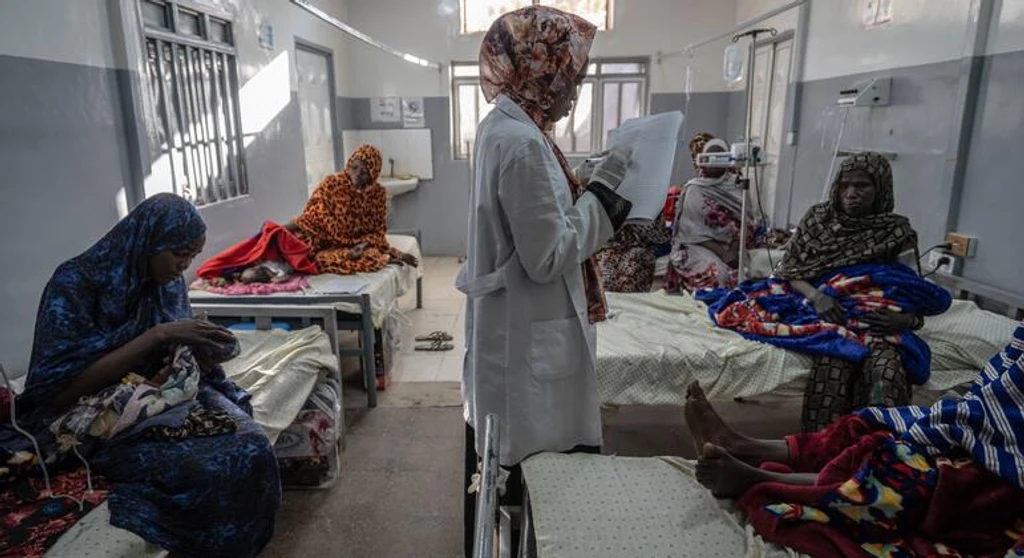
The United Nations' humanitarian chief, Tom Fletcher, declared Sudan an "atrocities laboratory" at a Berlin conference, detailing atrocities including sieges, denial of food, sexual violence as a weapon of war, and attacks on schools and hospitals. Drones have killed 700 people this year, and 130 humanitarians have died over three years.
The conflict between the Sudanese Armed Forces (SAF) and the Rapid Support Forces (RSF) has created a catastrophic humanitarian crisis. Approximately 34 million people require assistance, with nearly 14 million displaced, 19 million facing hunger, and 10 million children out of school.
UN Secretary-General António Guterres urged an immediate cessation of hostilities, the end of external interference, and a political process reflecting the Sudanese people's aspirations. He stressed that funding alone cannot replace peace.
UN High Commissioner for Human Rights Volker Türk called for accountability for the atrocities, noting that warring parties exploit Sudan's resources like gold and gum arabic, with external powers providing weapons and finance for their own agendas. He urged compliance with the Darfur arms embargo and referral of the situation to the International Criminal Court.