The announcement of a deal to end hostilities between the US and Iran arrived as a welcome political gift for Donald Trump, though it is wrapped in significant uncertainty.
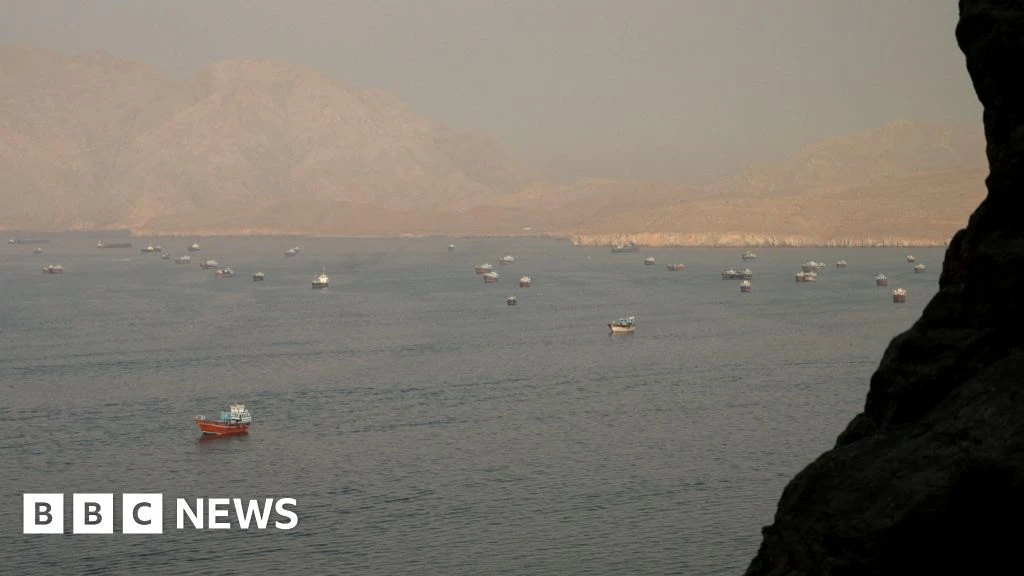
On Sunday, the American president declared the Strait of Hormuz open to commercial shipping and confirmed the US would lift its naval blockade. “Let the oil flow!” Trump exclaimed.
Yet, in high-stakes diplomacy, success hinges on details-and details remain scarce. Vice-President JD Vance asserted that a nuclear-free Iran was built into the agreement, but specifics regarding enrichment restrictions and existing uranium stockpiles remain unresolved.
Iran’s Supreme National Security Council later stated that final negotiations hinge on the other party fulfilling its commitments, underscoring the fragility of the memorandum. Energy experts also warn that clearing the backlog of tankers and restoring normal oil flow could take weeks.
A wildcard remains Israel. Trump told the Wall Street Journal he was furious at Prime Minister Benjamin Netanyahu for strikes on Lebanon that nearly torpedoed the deal. Should Israel launch new operations, Iran could close the strait again.
Domestically, the administration hopes the deal alleviates economic strain. With 63% of Americans disapproving of his economic handling, a tangible drop in energy prices is critical for Republicans facing midterm elections.