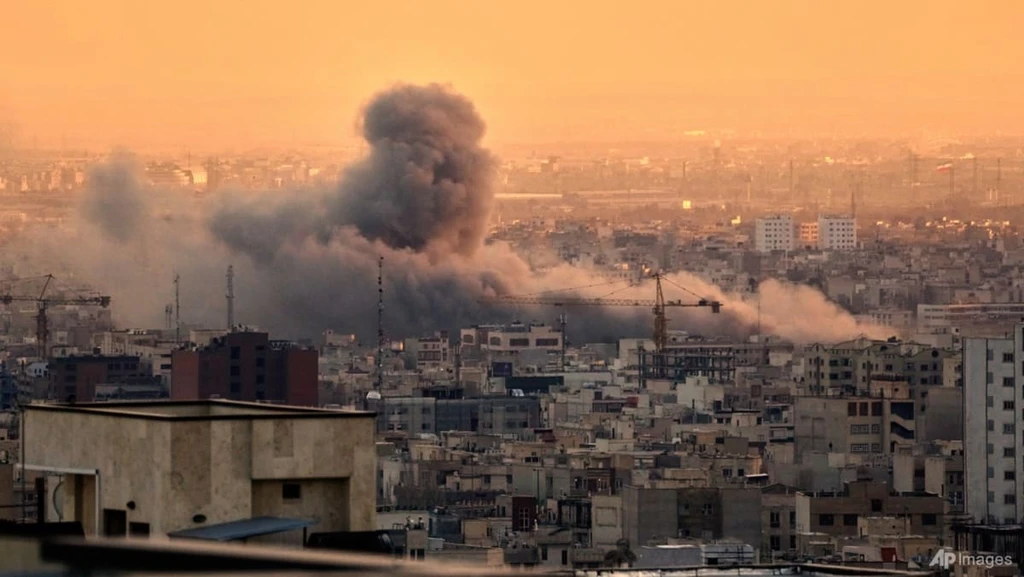
A long war in Iran will hurt America’s ability to deter China. The Trump administration's "pivot to Asia" strategy is faltering as the US engages in an escalating conflict with Iran, raising doubts about its security commitment to the Indo-Pacific region.
Three key implications arise: the risk of conflict intensification and broadening, the rapid depletion of American munition stocks, and significant broader economic and political impacts. The US faces a dilemma: a short sprint to achieve objectives versus Iran's aim to prolong the war. Munition stockpiles, including Tomahawk cruise missiles and THAAD interceptors, are being depleted, necessitating costly replenishments. The conflict also threatens supply chains through the Strait of Hormuz, potentially impacting global oil and LNG supplies, and could lead to devastating price surges for allies like Japan and South Korea.
While some argue the pressure on Tehran is a gambit against Beijing, this overstates the relationship. China has diversified energy sources and limited direct investments in Iran. Beijing may even see a weakened Iran as an opportunity to increase its own influence. As the US remains entangled in the Middle East, it risks becoming exhausted and under-equipped to effectively deter China, with no swift resolution in sight.