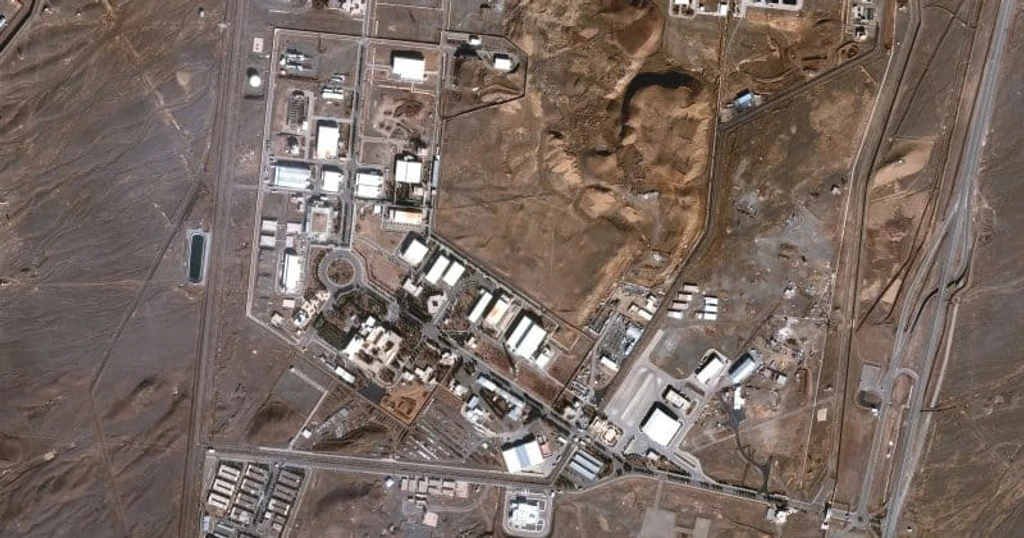
The United States and Iran have unveiled a preliminary framework designed to end active hostilities and address Tehran’s nuclear program. The memorandum, scheduled for formal signing on June 19 in Switzerland, sets a 60-day window for deeper negotiations.
A key provision mandates the reopening of the Strait of Hormuz for international shipping. This narrow waterway is a strategic chokepoint through which roughly 20% of the world’s oil passes.
Under the agreement, Iran commits not to produce or acquire nuclear weapons and will freeze its enrichment program at current levels. In return, the US has signaled willingness to provide sanctions relief and release between $24 and $25 billion in frozen Iranian assets, contingent on compliance.
The diplomatic framework arrives after escalating military tensions through 2026. European powers have indicated tacit support, suggesting multilateral backing for the bilateral arrangement.
On the financial front, the path to compliance is complex. Just two weeks prior to the MoU reveal, the US imposed new sanctions specifically targeting Iranian cryptocurrency exchanges Nobitex and Bitpin for alleged sanctions evasion. This dual-track approach signals that Washington wants the anticipated release of frozen assets to flow through strictly monitored, compliant channels rather than unregulated digital platforms.