Europe endured a year of extreme climate events in 2025, with 95% of the continent experiencing above-average temperatures. This trend solidifies Europe's position as the fastest-warming continent globally.
Record-breaking heatwaves impacted various regions. Southern and eastern Spain reported over 50 "heat stress" days, Türkiye hit a scorching 50°C, and 85% of Greece faced temperatures near or above 40°C. The United Kingdom, Norway, and Iceland recorded their hottest years ever. Even sub-Arctic Fennoscandia experienced its most severe heatwave on record.
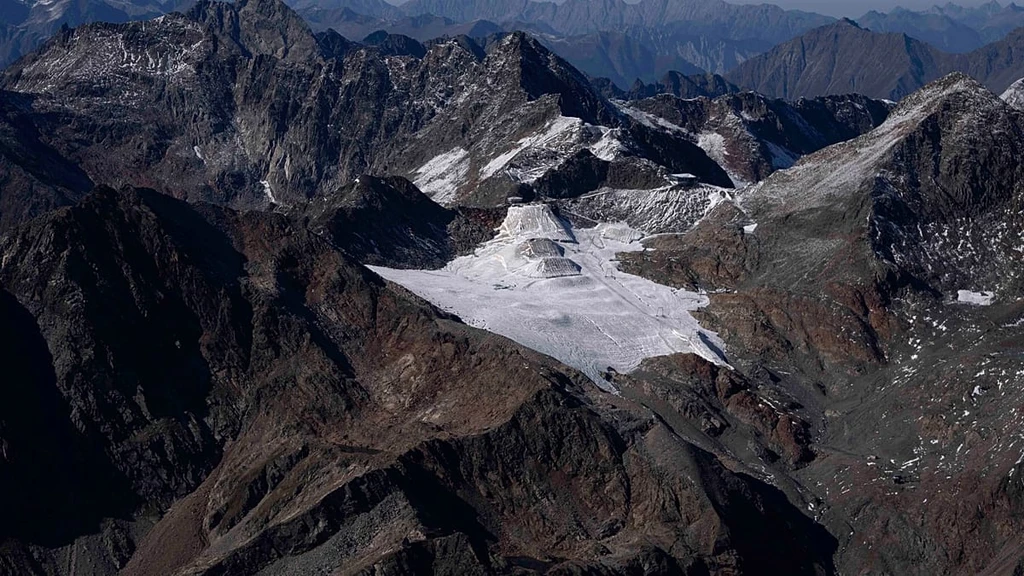
The warming trend has led to disappearing winters. Freezing temperatures are becoming less common across Europe, and glaciers are melting at an alarming rate. Iceland, in particular, experienced its second-largest ice loss on record. Snow cover at the end of March was significantly below average, an area equivalent to five major European countries. The Greenland Ice Sheet lost a substantial 139 gigatonnes of ice in 2025, a major contributor to global sea-level rise.
Europe is warming at more than twice the global average. Its proximity to the rapidly warming Arctic amplifies this effect through processes like albedo feedback. While emissions controls have reduced air pollution, they have also diminished cooling effects from low-level clouds. Shifts in atmospheric circulation, linked to Arctic warming, are also driving more intense summer heatwaves.
Climate extremes are intensifying across the continent. Europe recorded over one million hectares of land devastated by wildfires, the largest area on record. Drought conditions affected over half the continent, impacting river flows and threatening water security. Marine heatwaves were widespread, with the Mediterranean and Norwegian seas experiencing severe conditions, disrupting marine ecosystems.
Samantha Burgess, Strategic Lead for Climate at ECMWF, stated, "The evidence is unequivocal; climate change is not a future threat, it is our present reality." Despite these challenges, Europe's renewable energy sector shows progress, supplying nearly half of the continent's electricity in 2025, with solar power setting new records. This transition is crucial for a low-carbon economy and reducing dependency on fossil fuels.