Fans from more than a quarter of the countries competing in the upcoming World Cup face travel bans, tighter restrictions, or high visa rejection rates when trying to enter the United States, according to a BBC World Service analysis.
Iraqi fan Abdulla Adnan bought tickets to see his team play Norway and France in Boston and Philadelphia. But after the US suspended consular services in Iraq due to regional security concerns, he traveled to Jordan for a visa appointment, only to be turned away because he wasn't a Jordanian citizen.

President Trump's travel ban list includes four World Cup nations: Haiti, Iran, Senegal, and Ivory Coast. Citizens of these countries are barred from receiving the recommended visitor visa.
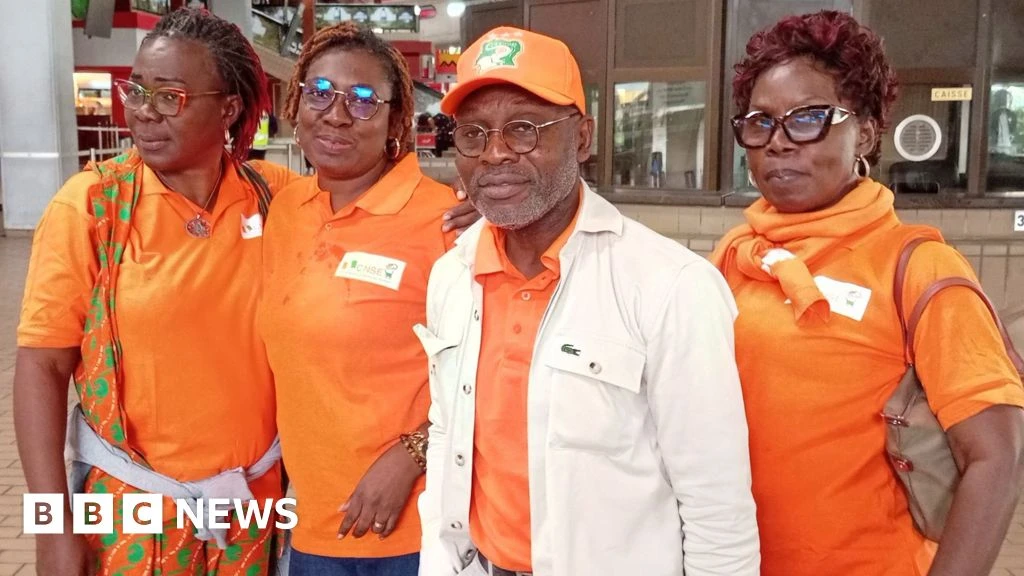
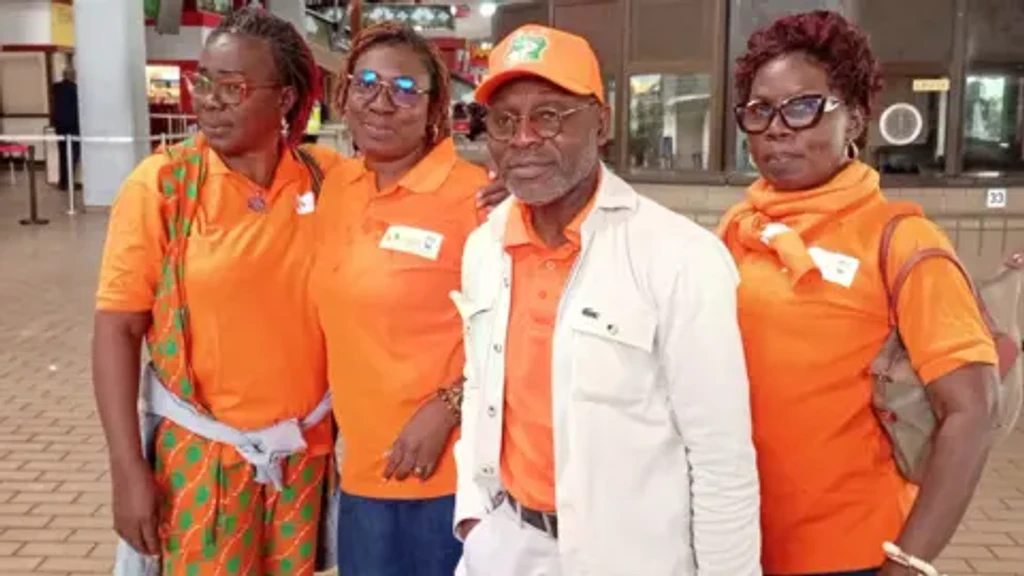
Julien Kouadio Adonis from the Ivory Coast's fan association calls it a "form of segregation." His group decided not to attempt travel to the US. "No European country has faced this kind of restriction. Why Africa?" he asks.
Senegalese fan Aliou Ngom, a veteran of the last two World Cups, saw little point applying for a visa after Senegal's women's basketball team had players denied visas for a US training camp.
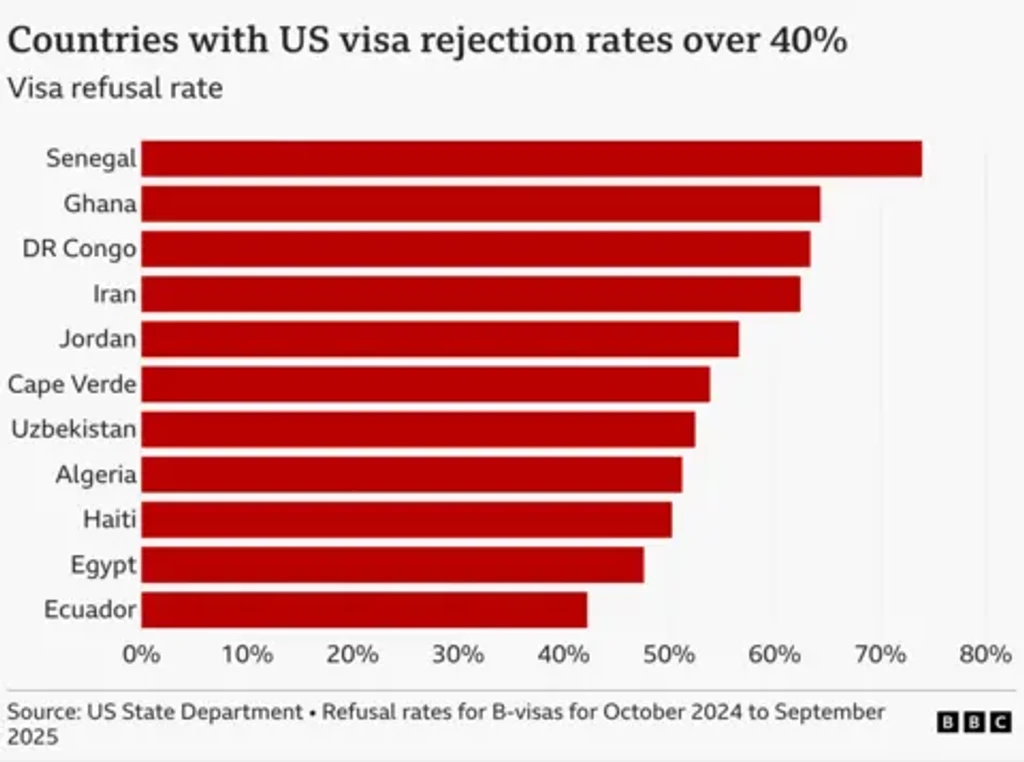
BBC analysis of State Department data shows the visa rejection rate for citizens of 11 qualifying nations exceeded 40% in the year ending September 2025. Senegal topped the list at over 70%.
Immigration attorney Celine Atallah notes that while FIFA's "FIFA Pass" system prioritizes visa appointments for ticket holders, it does not increase the likelihood of approval. "The visa system is the invisible gatekeeper of the World Cup," she says.
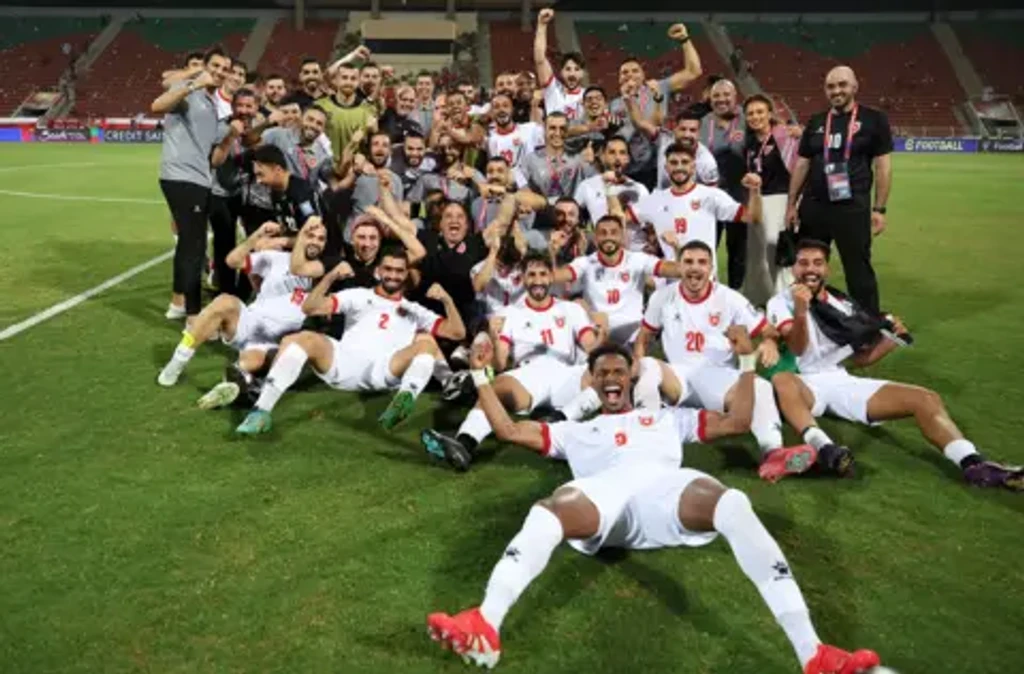
Abu Kass, head of Jordan's football fan association, says he doesn't know of a single supporter who received a visa, despite 57% of Jordanian applications being refused. "This World Cup is not ours. It's for them," he says.
The State Department says it welcomes global visitors but must ensure applicants pose no security risk. Canada and Mexico, the co-hosts, face their own visa challenges, with Canada's overall refusal rate at 54%.