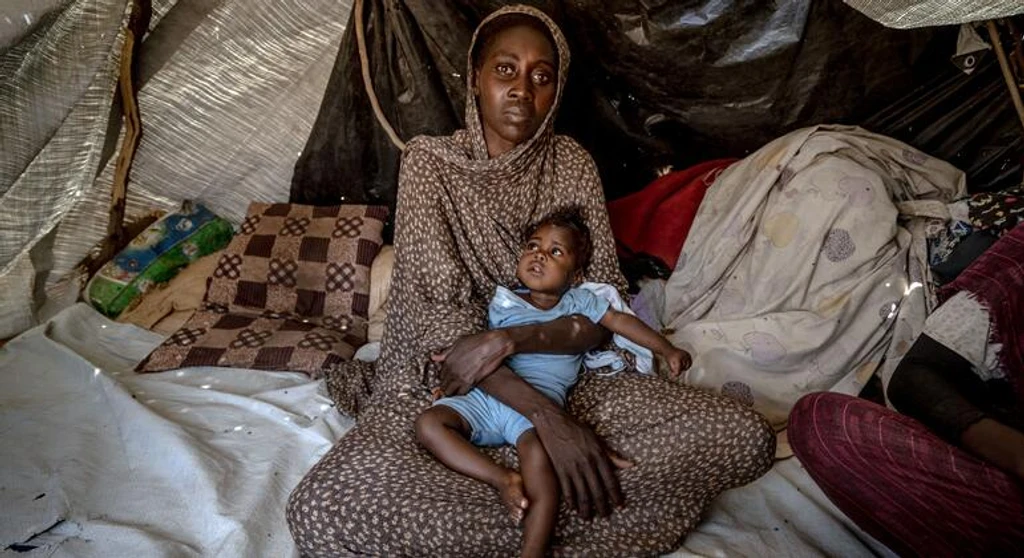
The world is failing Sudan as the brutal conflict enters its fourth year, according to UN Emergency Relief Coordinator Tom Fletcher. Fighting erupted between the Sudanese Armed Forces (SAF) and Rapid Support Forces (RSF) on April 15, 2023.
Nearly 34 million people, 65% of the population, require urgent humanitarian aid. Fourteen million have been displaced internally or have fled to neighboring countries like Chad, Egypt, and South Sudan, straining resources in these nations. Returning refugees find destroyed infrastructure and a lack of basic services.
The crisis worsens with no end in sight. Famine grips parts of the country, a situation described as unacceptable in the 21st century. Millions struggle daily for food, with families skipping meals for children. The conflict's impact is exacerbated by global instability, including rising fuel prices affecting food and fertilizer costs.
UN Women highlights that the war is disproportionately affecting women and girls, with 12.7 million needing support related to sexual and gender-based violence. This violence is a defining characteristic of the conflict.
For children, the reality is increasingly dire. Over 4,300 have been killed or maimed, and more than 5,700 grave violations against children have been recorded. Drone attacks are responsible for 80% of child killings and injuries, striking homes, markets, and schools.
Nearly 700 civilians were reportedly killed in drone strikes in the first three months of this year. New technologies, including drones, are destroying vital infrastructure and disrupting humanitarian efforts. Many health facilities are non-operational, and communication networks are destroyed.
Despite ongoing diplomatic efforts and calls for a ceasefire, an immediate end to violence and unrestricted humanitarian access remain elusive. A nearly $3 billion aid plan to support 20 million people is critically underfunded, prompting urgent calls for action to stop the violence, protect civilians, and fund the response.