
Pig-butchering crypto scams employ a chillingly methodical approach, building long-term emotional trust before defrauding victims of their funds. Unlike rapid phishing attacks, these schemes cultivate deep personal connections, masquerading as confidants or financial advisors.
The process begins with initial outreach on dating apps or professional networks, evolving over weeks into fabricated investment opportunities. Scammers present screenshots of fake profits and guide victims to fraudulent platforms. Modest initial investments may yield apparent returns, with small withdrawals sometimes permitted to solidify trust.
As trust escalates, victims are persuaded to invest larger sums, often encouraged to take loans. When withdrawal is attempted, access is blocked, demanding additional fees, after which scammers disappear.
These scams exploit vulnerabilities such as isolation, a desire for quick wealth, and authority bias. The extended buildup phase ensures victims feel they are partnering with a trusted ally, complicating recovery.
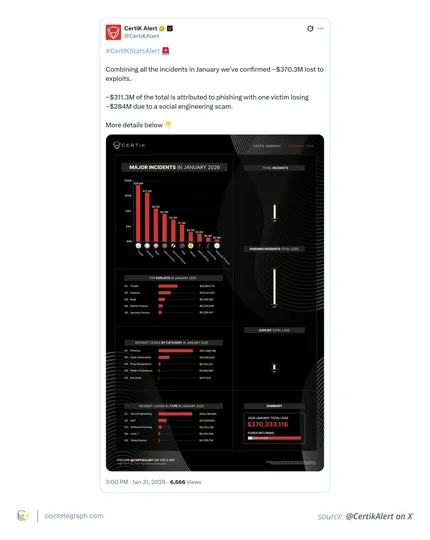
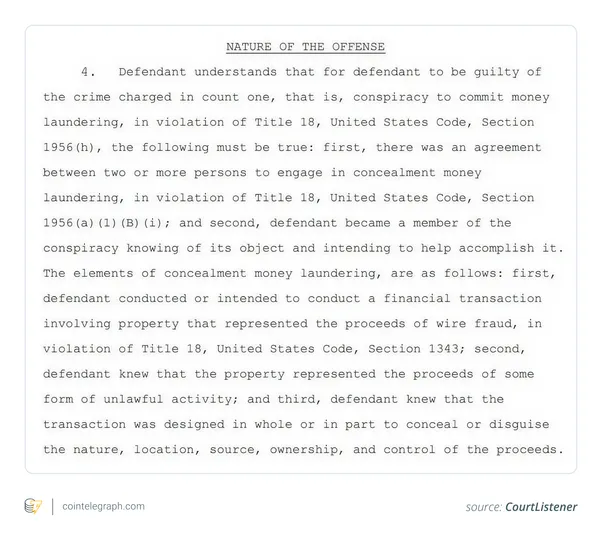
In January 2026 alone, social engineering tactics, including pig-butchering, accounted for approximately $311 million of the $370.3 million in scam-related losses reported by CertiK. The scale of these operations is underscored by cases like Daren Li, sentenced to 20 years for leading a network that defrauded victims of over $73 million.
Combating these frauds is challenging due to jurisdictional complexities, encrypted communications, and operations in loosely regulated regions. Authorities are targeting scam networks, but a coordinated international response is crucial. Red flags include unsolicited investment advice, pressure to move conversations offline, promises of high returns with low risk, and demands for fees before withdrawals.