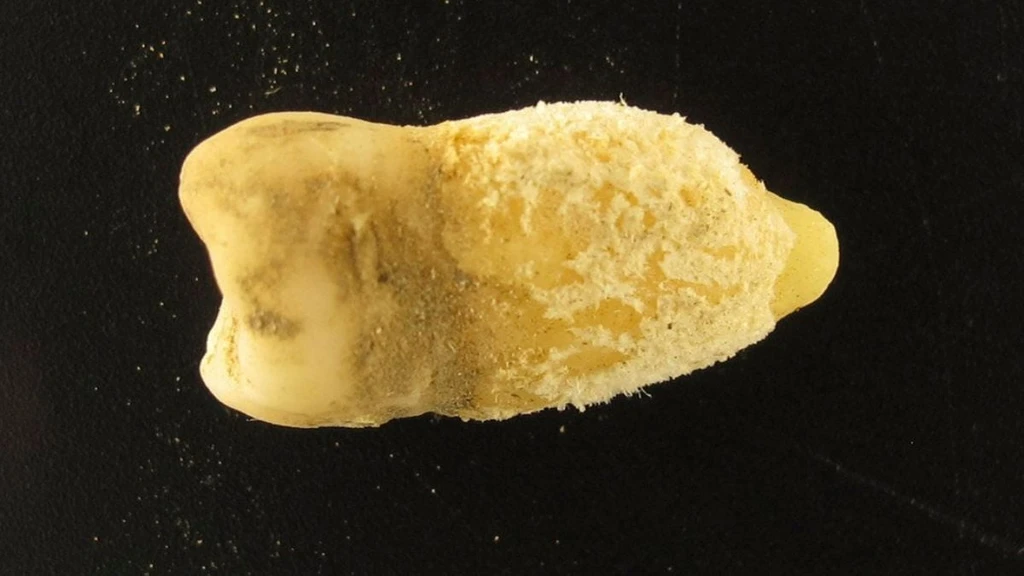
Scarlet fever may have been present in the Americas centuries before European contact. Scientists have discovered evidence of the bacterial infection in the tooth of an ancient mummy from Bolivia.
The remains, belonging to a male who lived between 1283 and 1383 AD, predate Christopher Columbus's arrival in 1492. This suggests the disease was circulating among Indigenous populations in pre-Columbian times.
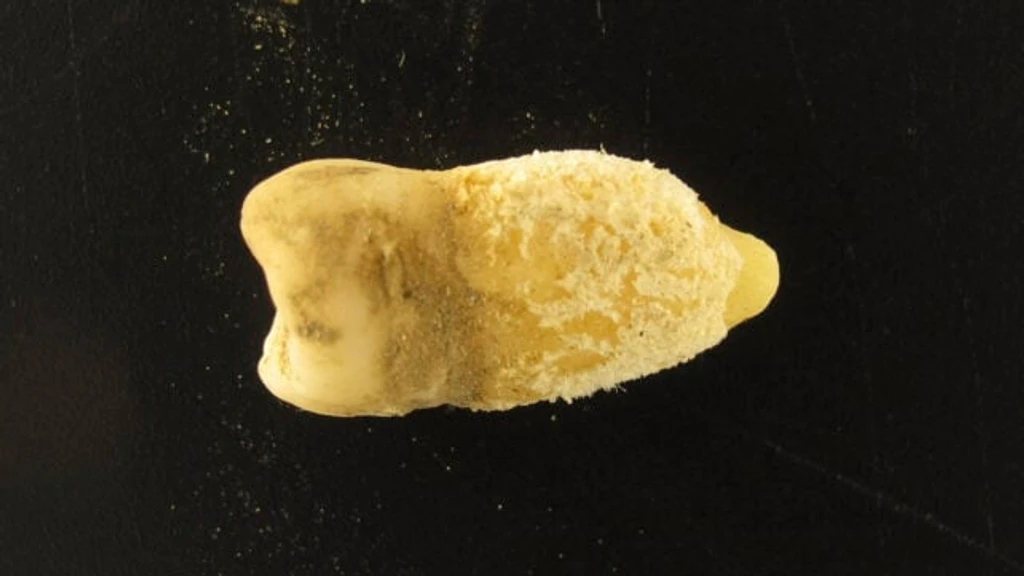
Researchers found that the ancient strain of Streptococcus pyogenes carried many pathogenic genes similar to modern strains. This ancient strain split from its modern counterparts roughly 10,000 years ago. The discovery challenges the historical narrative that diseases like scarlet fever were exclusively 'frontier' diseases introduced by European colonists.
Previous research indicated S. pyogenes was present in Europe and Africa as early as 4,000 years ago, suggesting the bacterium has a long history of global distribution possibly linked to human migration. The analysis of highly fragmented ancient DNA from the mummy's tooth, overcoming previous challenges with interpreting long DNA sequences, provides valuable insights into the bacterium's evolution. This research is crucial for understanding how infections evolve and for developing future treatments, especially as modern strains face increasing antibiotic resistance.