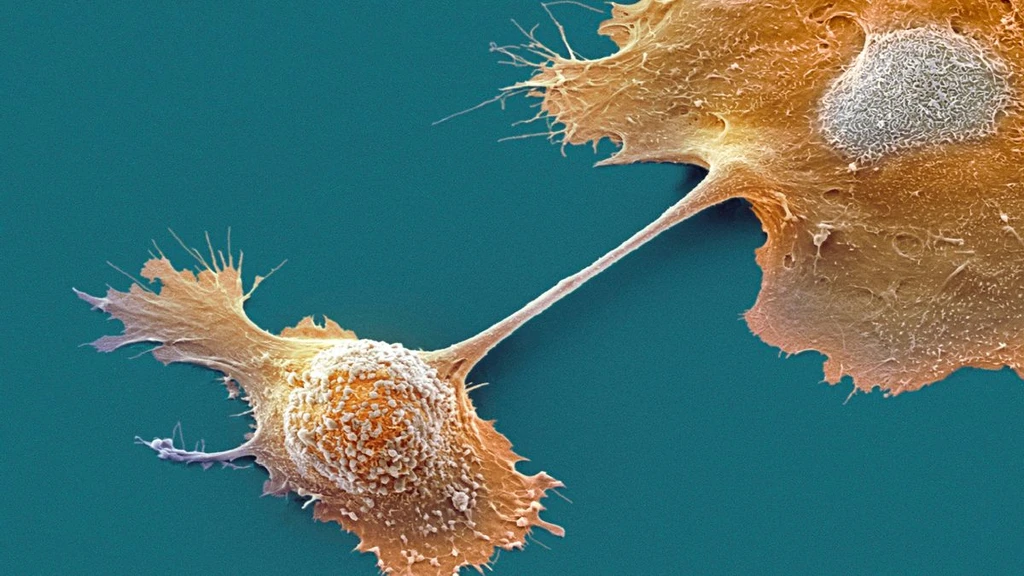
An experimental drug, elraglusib, has shown promising results in a new study, effectively doubling one-year survival rates for pancreatic cancer patients. This aggressive cancer, notoriously difficult to treat due to late detection and dense tumor microenvironments, saw a significant improvement.
Elraglusib targets the protective web surrounding pancreatic tumors, enhancing the penetration of chemotherapy and immune molecules. Published in Nature Medicine, the trial involved 286 newly diagnosed pancreatic cancer patients, many with advanced disease. Those receiving elraglusib alongside chemotherapy demonstrated a notable increase in survival. Half of the patients on elraglusib survived 10.1 months, compared to 7.2 months for chemotherapy alone. Critically, 42% of patients on elraglusib lived a year, versus 22% on chemotherapy only.
While the drug improved overall survival, it did not halt cancer progression. Researchers suggest that the intensive nature of the trial, with patients stopping treatment upon disease progression, might have impacted the assessment of elraglusib's full potential. The drug's ability to make tumor environments more permeable to treatments and bolster the immune system's attack on cancer cells makes it a potential complement to existing therapies like immune checkpoint inhibitors and KRAS inhibitors. Developed independently of large pharmaceutical companies, elraglusib represents a significant advancement from academic research.