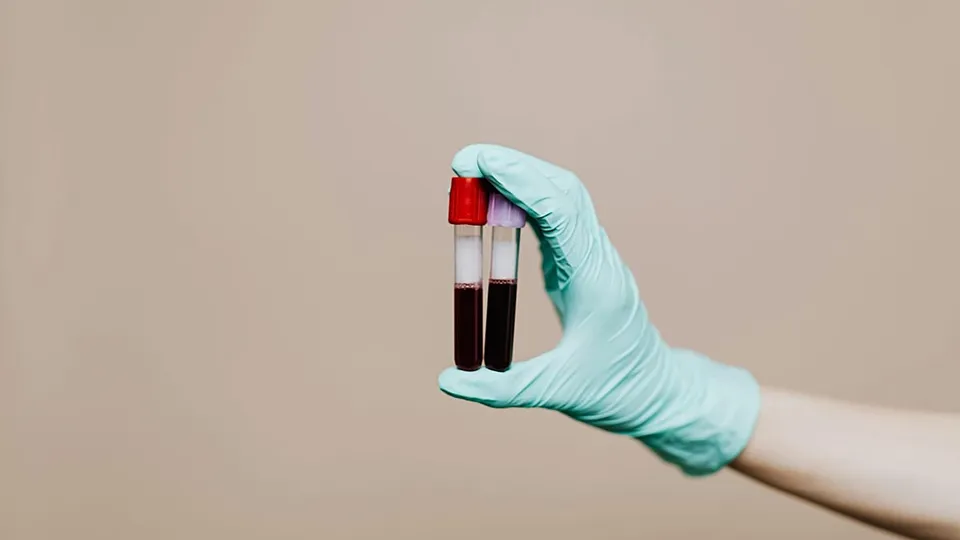
New research from Duke Health and the University of Minnesota suggests a simple blood test can identify older adults at higher risk of dying within two years. The study focused on PIWI-interacting RNAs (piRNAs), small RNA molecules involved in regulating vital bodily functions.
Researchers analyzed blood samples from over 1,200 individuals aged 71 and older. They discovered that lower levels of certain piRNAs correlated with longer survival. "The combination of just a few piRNAs was the strongest predictor of two-year survival in older adults - stronger than age, lifestyle habits, or any other health measures we examined,” stated senior author Virginia Byers Kraus.
Using AI and machine learning, the team found that six specific piRNAs could predict two-year survival with up to 86 percent accuracy, a finding confirmed in a separate group. This piRNA signature outperformed over 180 other clinical measures, including age and cholesterol levels.
Lower levels of these specific piRNAs were consistently observed in participants who lived longer, mirroring findings in laboratory organisms where reduced piRNA levels extended lifespan. "When these molecules are present in higher amounts, it may signal that something in the body is off-track," Kraus noted.
The researchers now plan to investigate if treatments, lifestyle changes, or medications can alter piRNA levels, aiming to develop therapies that promote healthy aging. "This research suggests we should be able to identify short-term survival risk using a practical, minimally invasive blood test," Kraus concluded.