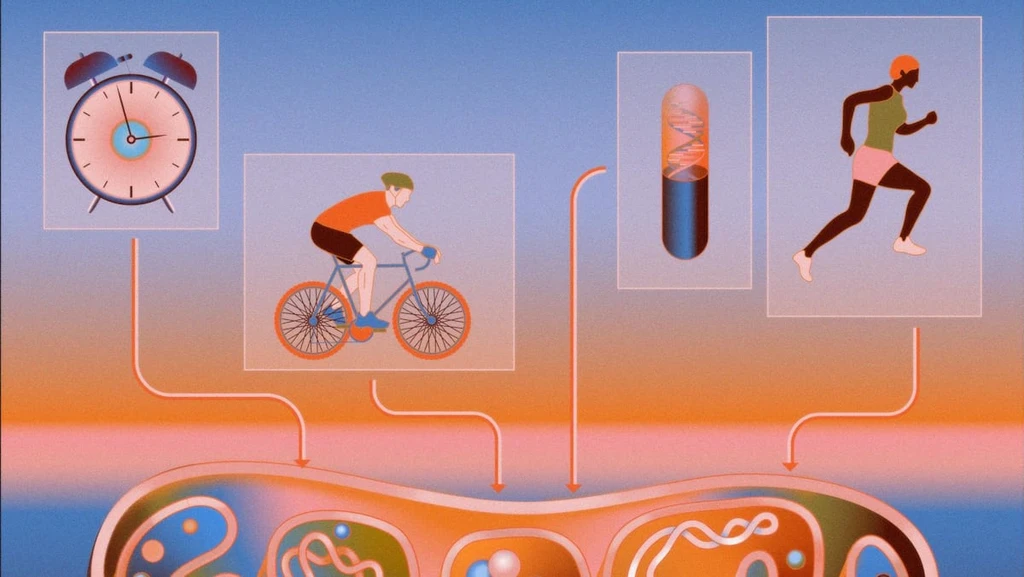
Mitochondria, the powerhouses of our cells, are increasingly recognized for their profound impact on health and aging. These organelles convert food into cellular energy (ATP), but also play vital roles in immune function and cellular housekeeping. As we age, mitochondrial function declines, producing more damaging byproducts called reactive oxygen species (ROS), while the cell's ability to repair itself falters. This decline is suspected by some experts to drive age-related diseases like Alzheimer's and cancer, with mitochondria acting as an early indicator of cellular dysfunction.
However, the exact causal relationship between mitochondrial decline and aging remains a subject of scientific debate. What is clear is that lifestyle choices significantly influence mitochondrial health. Regular exercise, encompassing both endurance and resistance training, has been shown to improve mitochondrial function by stimulating replenishment and repair. A balanced diet rich in fiber, healthy fats from sources like avocados and fish, and micronutrients such as B vitamins and antioxidants supports optimal energy production. Adequate sleep is also crucial for the cellular cleanup processes that occur during rest.
While certain supplements and trendy interventions like cold exposure or red light therapy are being explored, their effectiveness in humans for longevity remains largely unproven, with some studies even showing negative outcomes for antioxidant supplements. The focus for enhancing mitochondrial health, and potentially impacting lifespan, remains on established lifestyle factors.