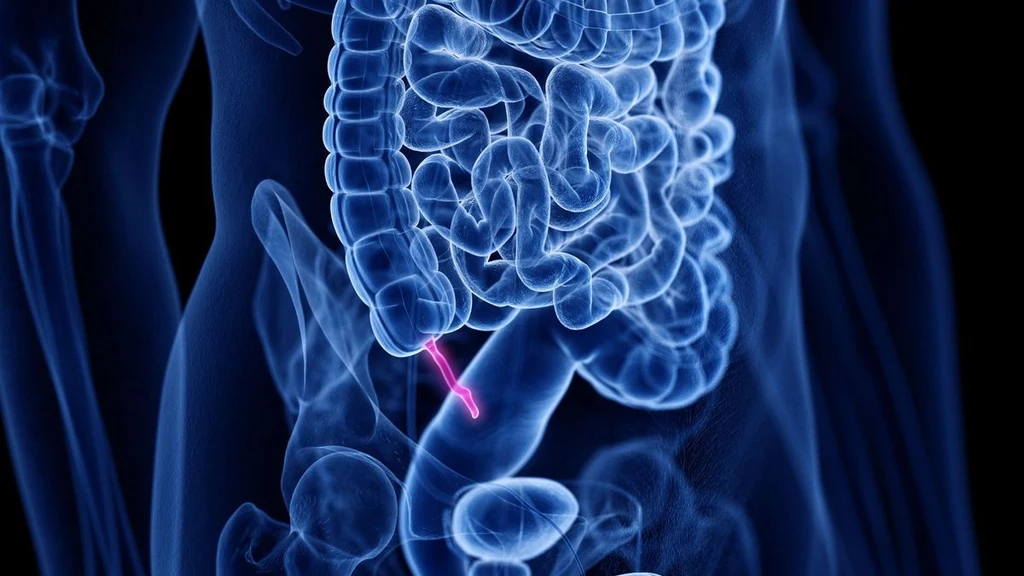
The appendix, long dismissed as a useless evolutionary remnant, may be far more significant than previously believed. A new study finds it evolved independently at least 32 times across 361 mammalian species-proof of convergent evolution that suggests functional value.
Structural diversity across primates, marsupials, and rodents indicates adaptation to different ecological conditions. The organ houses gut-associated lymphoid tissue, supporting immune development in early life and helping regulate intestinal microbes.
Researchers also propose it acts as a microbial refuge during severe infections, shielding beneficial bacteria that repopulate the gut afterward. Though modern sanitation has diminished its survival advantage, the appendix remains a product of natural selection favoring resilience in ancestral environments.
While appendectomies do not impair fertility, the organ’s risks-especially appendicitis-now outweigh its benefits in today’s world.