
Researchers have developed FLAV-27, a novel compound that reverses cognitive decline in mice with Alzheimer's disease. Unlike current treatments that target amyloid-beta plaques, this compound takes an epigenetic approach by inhibiting the G9a enzyme.
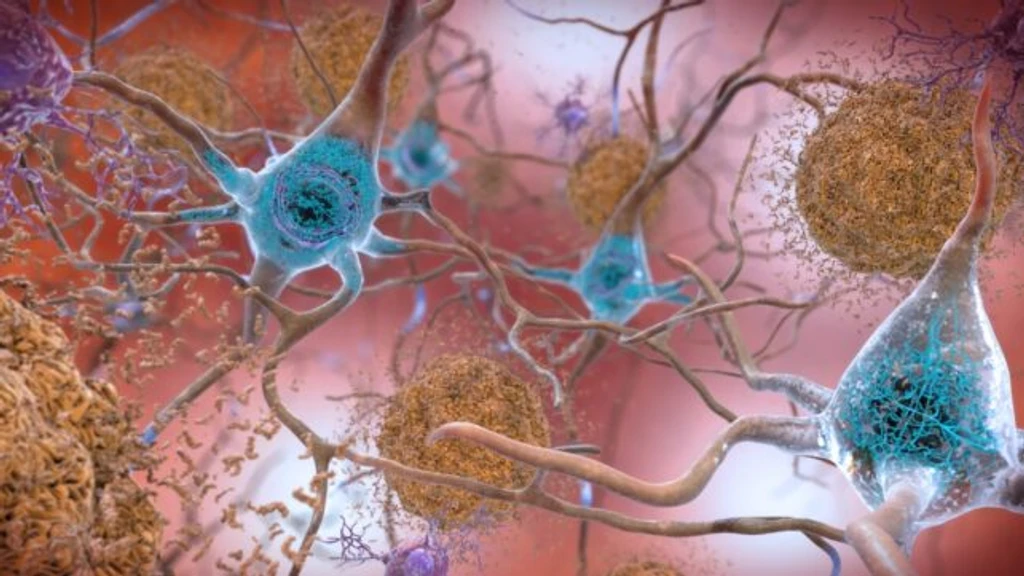
Current monoclonal antibody drugs like lecanemab and donanemab slow decline by approximately 30 percent but cannot reverse cognitive damage. FLAV-27 targets euchromatic histone-lysine N-methyltransferase 2, blocking S-adenosylmethionine to restore normal genetic expression.
Aina Bellver-Sanchis from the University of Barcelona Institute of Neurosciences leads the research. In mouse models, FLAV-27 restored memory performance, social behavior, and synaptic function. The compound also improved mobility and extended lifespan in nematode worms.
The treatment shows promise for addressing Alzheimer's at the molecular level rather than targeting protein plaques. Human trials remain years away pending toxicology studies and regulatory approval. The research appears in Molecular Therapy journal.