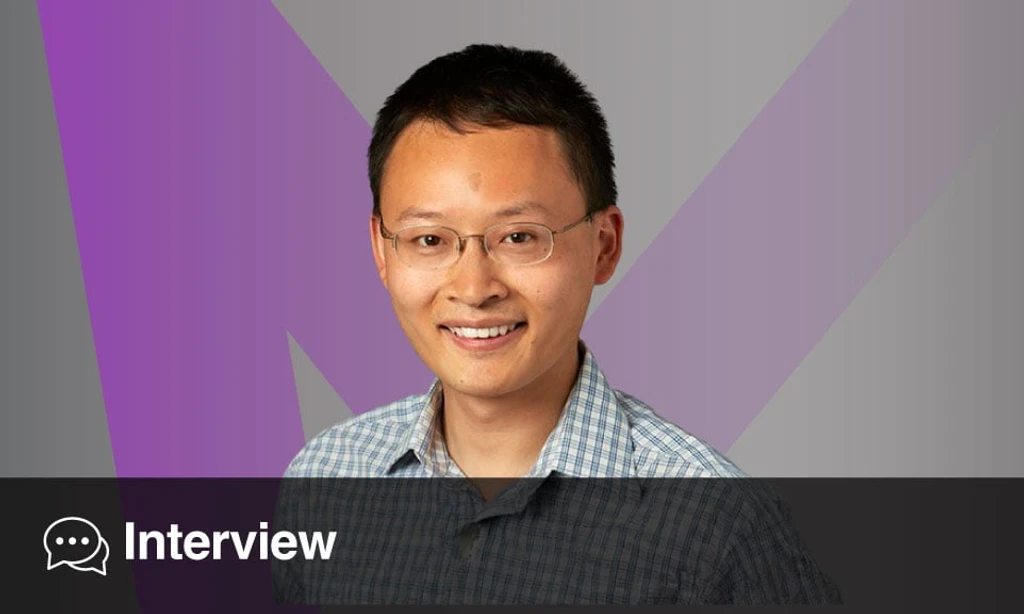
Stanford Associate Professor James Zou has spent 15 years advancing AI at the intersection of biomedicine and clinical research.
The field has shifted: AI is no longer just a tool-it’s evolving into an autonomous agent capable of generating hypotheses and self-designed tools. Yet human oversight remains essential for final diagnoses and treatment decisions.
Zou’s Trial Pathfinder project revealed that relaxing overly restrictive clinical trial eligibility criteria boosts diversity-enrolling more women, minorities, and older patients-without compromising safety.
His team has developed FDA-cleared AI systems, including one diagnosing cardiovascular disease from ultrasound videos. A recent breakthrough uses single-night wearable sleep data to predict over 130 diseases-including dementia, stroke, and chronic kidney disease.
Key barriers remain: real-world data noise, deployment economics, reimbursement models, and clinician readiness. Transparency in training populations and contextual validation-not just headline metrics-are critical for safe adoption.