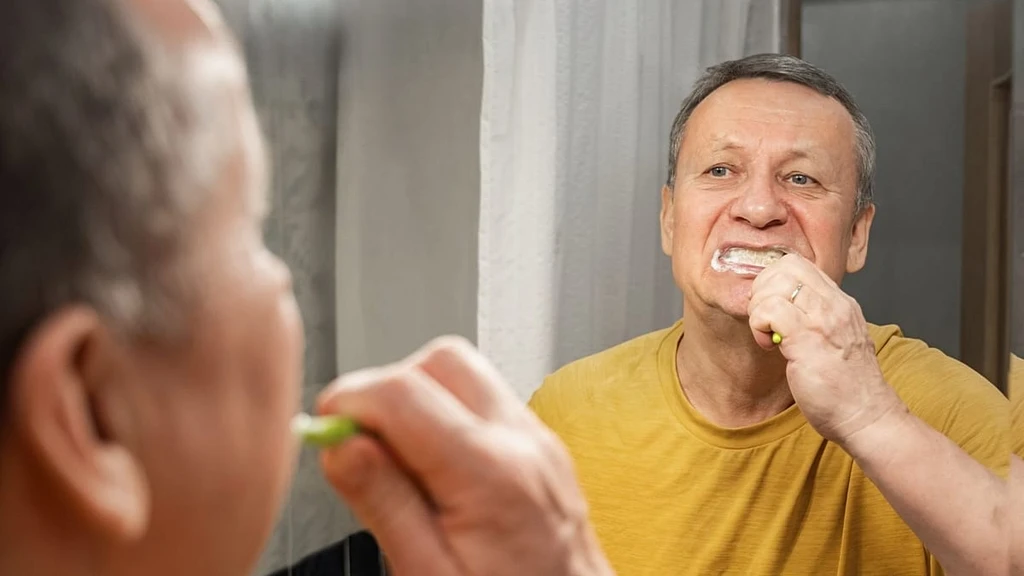
A new clinical trial presented at the ESCMID Global Congress 2026 suggests that improving oral hygiene in hospitals could drastically cut the risk of hospital-acquired pneumonia by 60%.
This type of pneumonia, known as non-ventilator-associated hospital-acquired pneumonia (NV-HAP), develops at least 48 hours after admission and can be particularly severe in patients with weakened immune systems.
The infection often occurs when fluids from the mouth or throat enter the lungs. Researchers found that patients unable to clear oral secretions had higher rates of respiratory pathogens.
"Improving oral hygiene helps reduce these pathogens in the mouth, potentially lowering the risk of subsequent infection," stated lead author Brett Mitchell from Avondale University, Australia.
A program implemented across Australian hospitals involving over 8,000 patients saw significant improvements. Patients received toothbrushes, toothpaste, and education, while staff received training. Oral care participation increased from 15.9% to 61.5%.
Results showed a statistically significant reduction in pneumonia incidence, dropping from one case every 100 patient days to 0.41. This provides robust evidence for structured oral care programs in hospital settings.