A protein that curbs inflammation may hold the key to treating age-related frailty and bone loss, according to new research from the University at Buffalo.
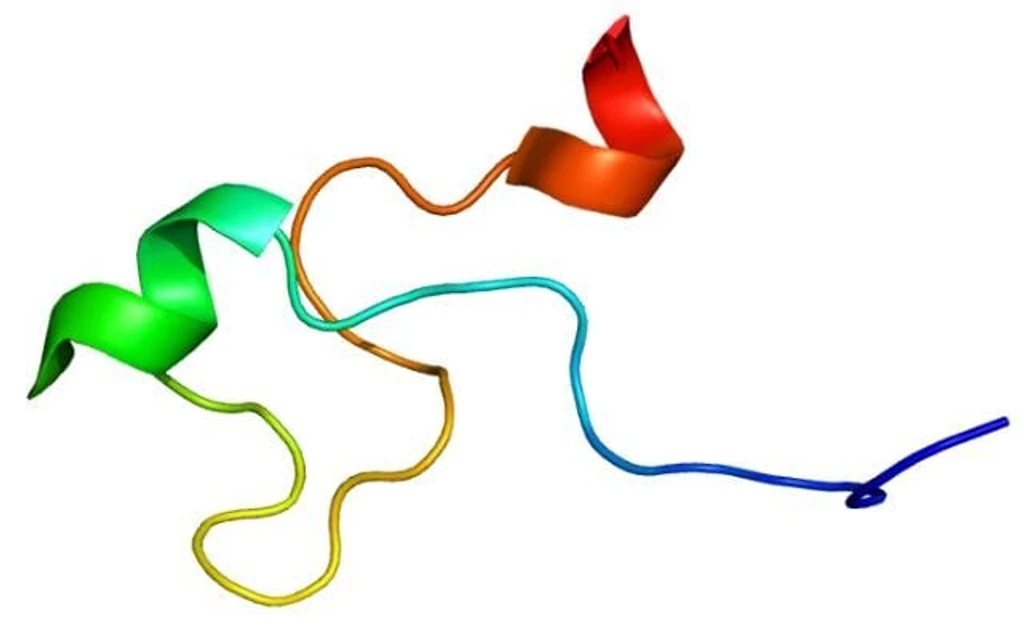
Scientists identified tristetraprolin (TTP) as a potential target to counter some of the worst effects of aging. In a study published in Aging and Disease, boosting TTP in 22-month-old mice led to stronger grip strength, faster walking speed, greater treadmill endurance, and increased overall activity.
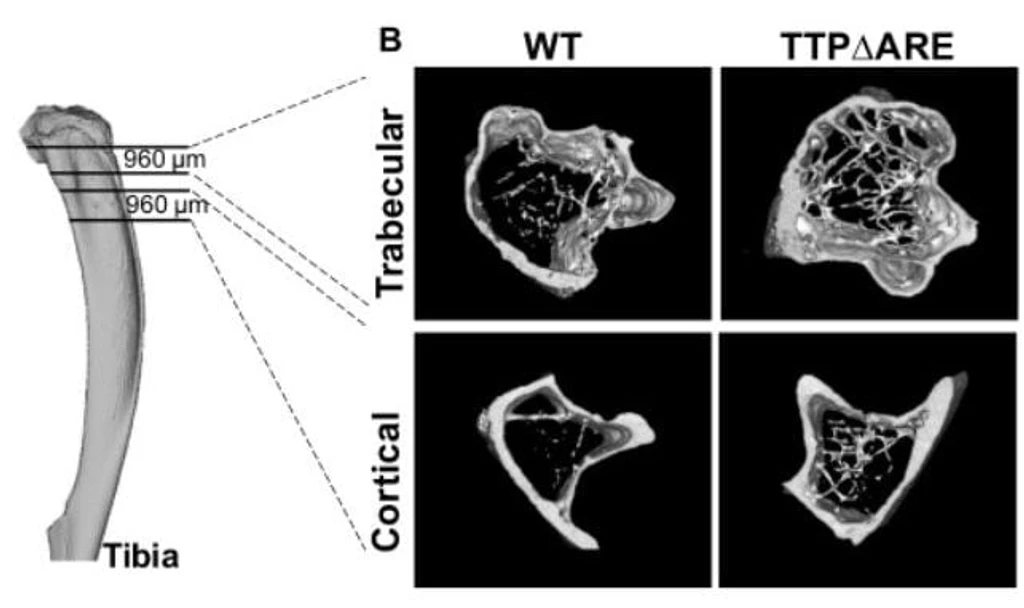
Male mice saw the most significant improvements. Some physical metrics rivaled those of mice just 6 months old. The TTP-stabilized mice also showed higher bone mineral density and a more youthful immune profile.
By 2050, nearly a quarter of Americans will be 65 or older. Chronic low-grade inflammation, known as "inflammaging," is a major driver of age-related decline. TTP suppresses multiple cytokines, signaling proteins that fuel that inflammation when overactive.
Human trials remain distant. The mouse technique cannot be directly translated. However, researchers propose using small-molecule gene inducers or phosphorylation modifiers to achieve a similar effect.
The team now plans to study TTP's role in age-related brain inflammation linked to Alzheimer's and other neurodegenerative diseases.