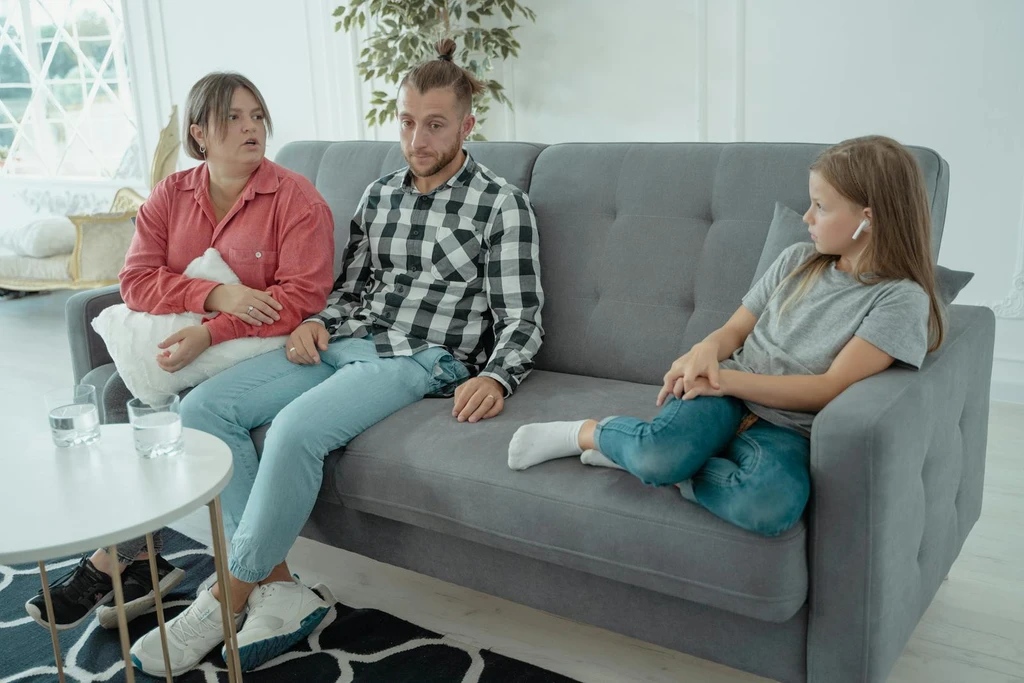
The Apology Reflex
Last week, my daughter caught me saying 'sorry' to the kitchen table after bumping into it. Her puzzled look made me realize that apologizing to inanimate objects was a deeply ingrained habit.
Roots of the Behavior
Compulsive apologizing often stems from childhood experiences where emotions or presence were seen as disruptive. Children learn to apologize preemptively to avoid conflict, even if the apology is to an object with no feelings.
Automatic Responses
Research shows that such behaviors become conditioned responses, bypassing conscious thought. The apology fires automatically, even when the original cause is long gone.
Deference as Survival
Apologizing to objects reflects a learned pattern of deference, suggesting a belief that one's existence is an imposition. This can manifest in various aspects of adult life, from workplace interactions to personal relationships.
Breaking the Pattern
Awareness is key to changing this behavior. Noting each apology, without judgment, can create a gap between stimulus and response, gradually weakening the reflex.
The Role of Therapy
Therapy can help trace these behaviors back to their origins, revealing specific dynamics that installed them. Understanding this can transform how we view ourselves and our place in the world.
Taking Up Space
True self-confidence means occupying your life without constant self-justification. It involves recognizing that your presence is not an imposition, and that you belong in the spaces you inhabit.
A Lesson for the Next Generation
Children learn from our actions, not just our words. By breaking the cycle of unnecessary apologies, we can teach them a healthier way to exist in the world.