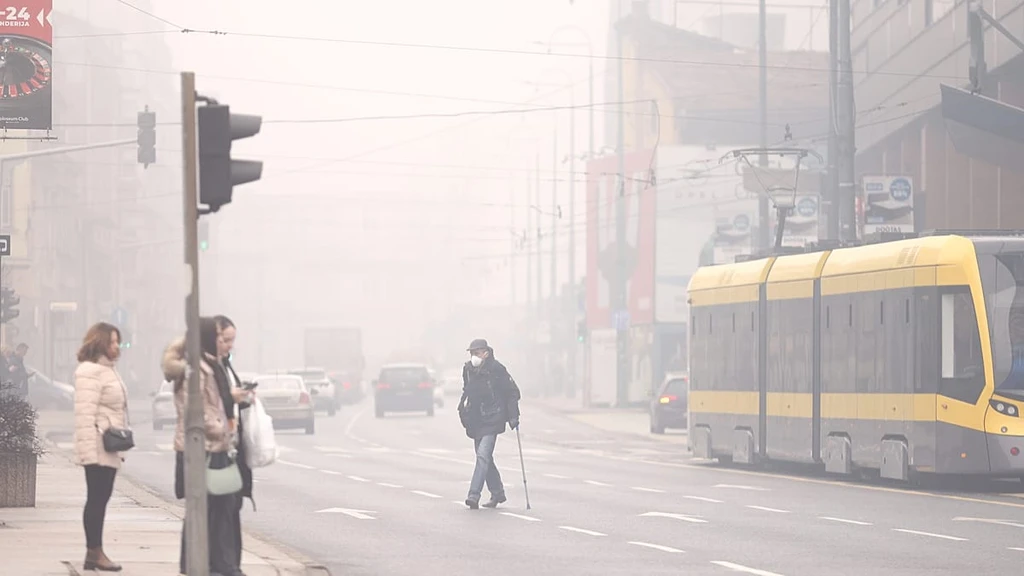
Only 13 countries and territories worldwide met the World Health Organization’s annual PM2.5 safety guideline of 5 micrograms per cubic metre in 2025. That’s down from 14% of cities globally breathing safe air - a drop from 17% the prior year.
IQAir analyzed data from 9,446 cities across 143 countries. Deteriorating air quality is driven primarily by human-caused climate change - especially wildfire smoke, dust storms, and fossil fuel combustion.
Andorra, Estonia, and Iceland are the only European nations within safe limits. The rest - including France, Germany, and the UK - saw elevated PM2.5 levels, with Paris ranking among the world’s five most polluted cities during reporting.
Pakistan ranked worst globally at 67.3 µg/m³; Loni, India, topped the city list at 112.5 µg/m³ - over 22 times the WHO limit. Nieuwoudtville, South Africa, recorded the cleanest air at 1.0 µg/m³.
The Trump administration discontinued the U.S. State Department’s global air quality monitoring program in March 2025, weakening monitoring in 44 countries and eliminating it entirely in six.
Without real-time, hyper-local air quality data, public health interventions remain reactive - not preventive.