Some animals possess a remarkable ability to dramatically alter their internal temperature, a strategy known as heterothermy. This flexible approach allows them to endure extreme conditions like storms, floods, and predator threats, far beyond the stable body temperature (homeothermy) seen in most mammals and birds.

Recent research reveals that many more species than previously understood can vary their body temperature for minutes, hours, or even weeks. This includes well-known phenomena like hibernation, where animals enter deep torpor, slowing metabolism and dropping body temperature significantly to conserve energy during cold winters. However, scientists are now recognizing a broader spectrum of torpor, including shorter, shallower bouts used as needed.
Australian eastern long-eared bats, for instance, adjust their torpor based on daily weather changes, spending more time in this state when it's cold, rainy, or windy to conserve energy required for flight and foraging. Pregnant hoary bats have even been observed entering torpor during unpredictable storms, effectively pausing their pregnancies until conditions improve.
Sugar gliders, known for their gliding membranes, rarely use torpor but can employ it during severe weather emergencies. During a powerful storm, many entered torpor, reducing their body temperature substantially. Similarly, golden spiny mice exhibited unusual multiday torpor in response to flooding.
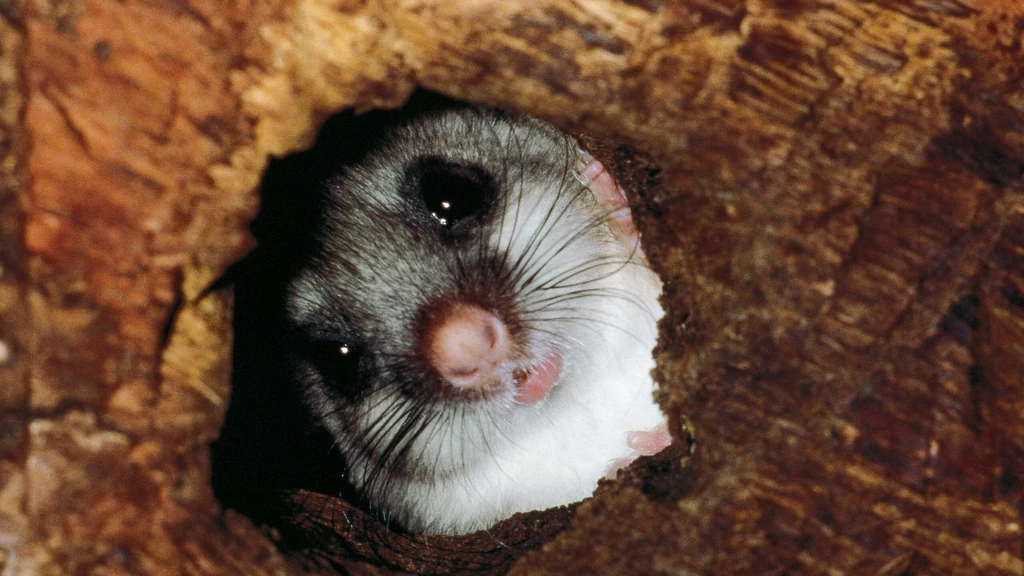
Beyond weather, predator avoidance can also trigger torpor. The edible dormouse enters extended torpor in early summer, a strategy believed to help it evade active predators like owls by remaining hidden and dormant. Fat-tailed dunnarts, a carnivorous marsupial, also alter their body temperature and reduce foraging when predator risk is high.
For smaller mammals, heterothermy offers a crucial advantage in conserving water and energy, especially in hot climates where evaporative cooling can lead to dehydration. Madagascar’s leaf-nosed bats use brief torpor bouts on warm days, extending to several hours during extreme heat, significantly reducing metabolism and allowing body temperature to rise.
While heterothermy provides a vital buffer against environmental variability, scientists caution that it may not be enough to fully mitigate the challenges posed by rapidly evolving climate change. This flexible control over body temperature, once overlooked, is increasingly recognized as a key survival mechanism for numerous species.