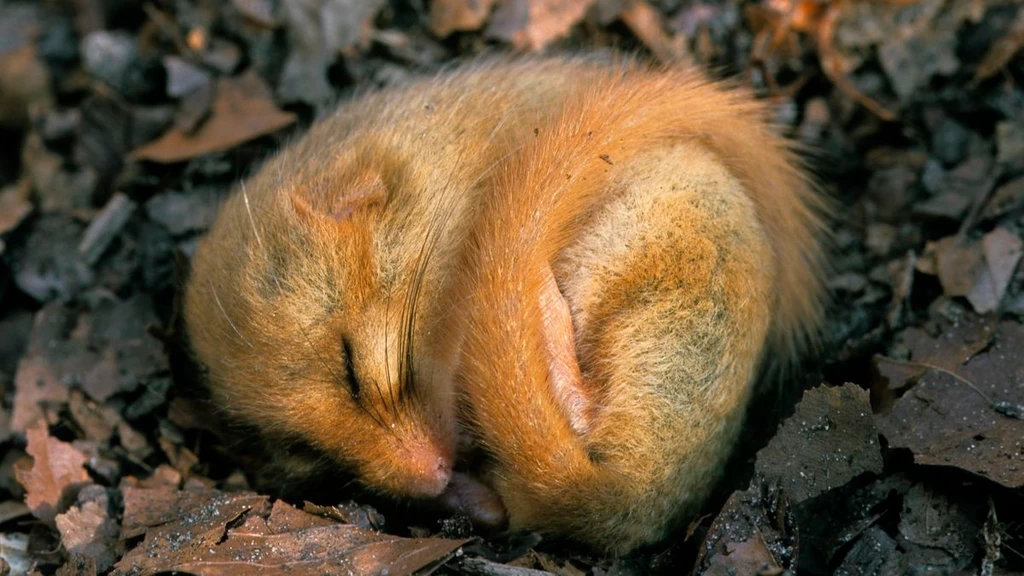
Scientists are uncovering a surprising diversity in how animals manage their body heat. Beyond the familiar stable temperature of mammals and birds, many species exhibit 'heterothermy,' actively varying their body temperature for minutes, hours, or even weeks to conserve energy and survive environmental challenges.
This flexible approach, termed heterothermy, allows animals to navigate dangers like extreme weather and predator threats. Unlike humans who maintain a constant internal temperature, species like the fat-tailed dwarf lemur can see their body temperature fluctuate significantly within a single day. Researchers are finding that torpor, a state of reduced metabolism and body temperature, is deployed more widely and for more reasons than previously understood.
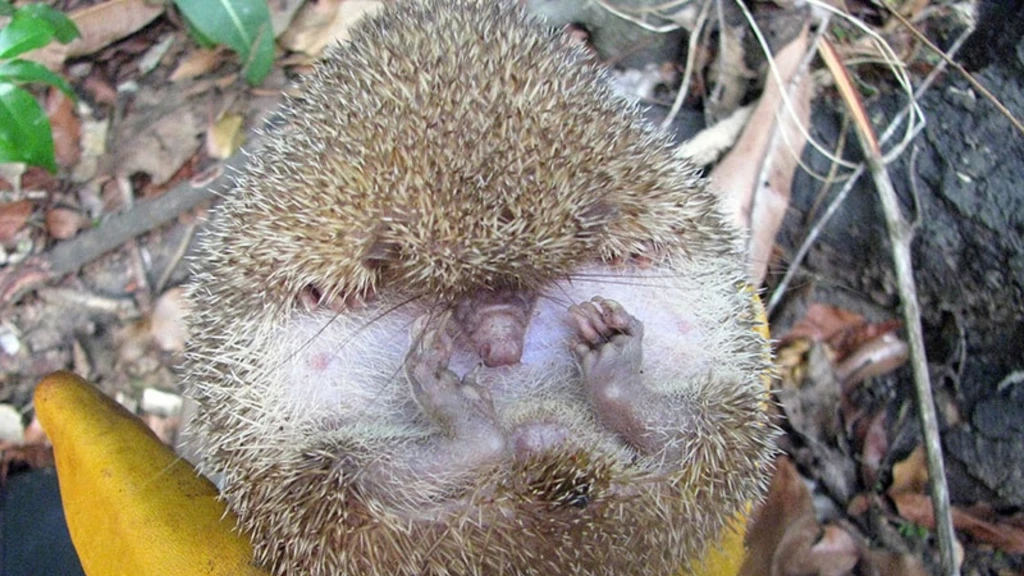
From Australian bats adjusting torpor based on weather to pregnant hoary bats pausing pregnancies, the strategies are diverse. Sugar gliders and golden spiny mice have been observed entering torpor during storms and floods, demonstrating its role in weathering environmental catastrophes. Even threat avoidance, such as hiding from predators like owls, can trigger periods of torpor, as seen in edible dormice.
This thermoregulation is crucial for water and energy conservation, especially in hot climates where evaporative cooling, effective for humans, can lead to dehydration in smaller mammals. Madagascar's leaf-nosed bats and ringtail possums use torpor to manage heat stress. While heterothermy provides a buffer against environmental variability, scientists note it may not be enough to fully counter the impacts of rapid climate change.
While humans rely on stable body temperature, many animals are demonstrating that flexibility in thermoregulation is a key survival mechanism.