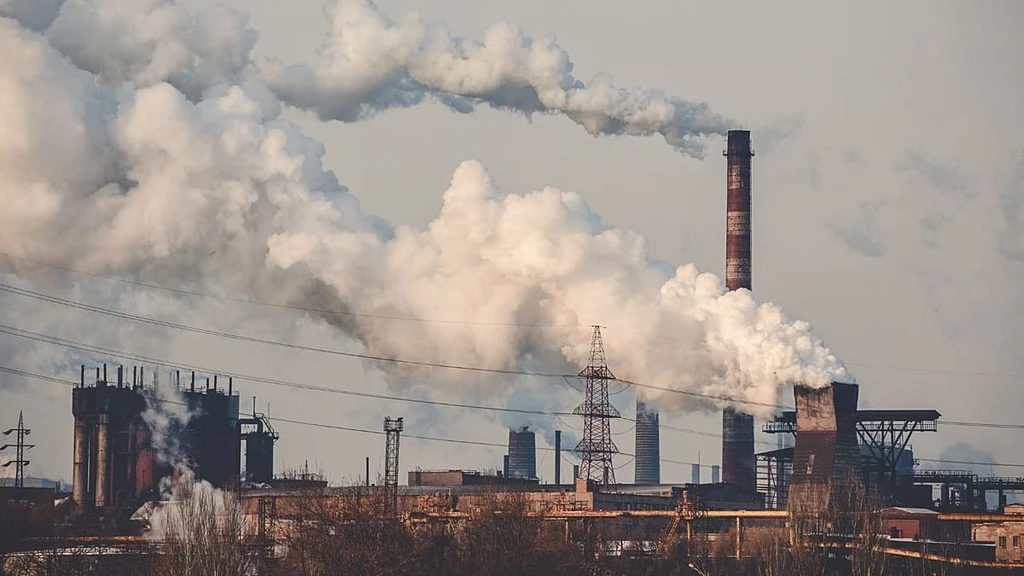
A new report from the Union for International Cancer Control (UICC) establishes a direct link between air pollution and increased cancer risk beyond the lungs. Synthesizing 42 studies, the report indicates that air pollution is a significant factor in multiple cancer types and mortality.
Particulate matter, particularly PM2.5, poses the greatest threat. Exposure to high PM2.5 levels is associated with an 11% higher risk of developing cancer overall, with notable increases for liver, colorectal, kidney, lung, and bladder cancers. Long-term exposure also correlates with a 12% increase in cancer-related deaths, including a 20% rise for breast cancer and 14% for liver cancer.
Larger pollutants like PM10 are linked to a 10% higher overall cancer risk and increased mortality from lung and breast cancers.
The report highlights that these risks are not distributed equally. Women and children often face higher exposure, particularly from household air pollution. Individuals in low- and middle-income countries bear a disproportionate burden due to higher pollution levels and limited access to healthcare.
Experts emphasize that air pollution is an environmental and health crisis, undermining progress in cancer prevention. While further research is needed to fully understand the mechanisms of non-particulate pollutants, the existing evidence calls for urgent action to improve air quality monitoring and standards globally.