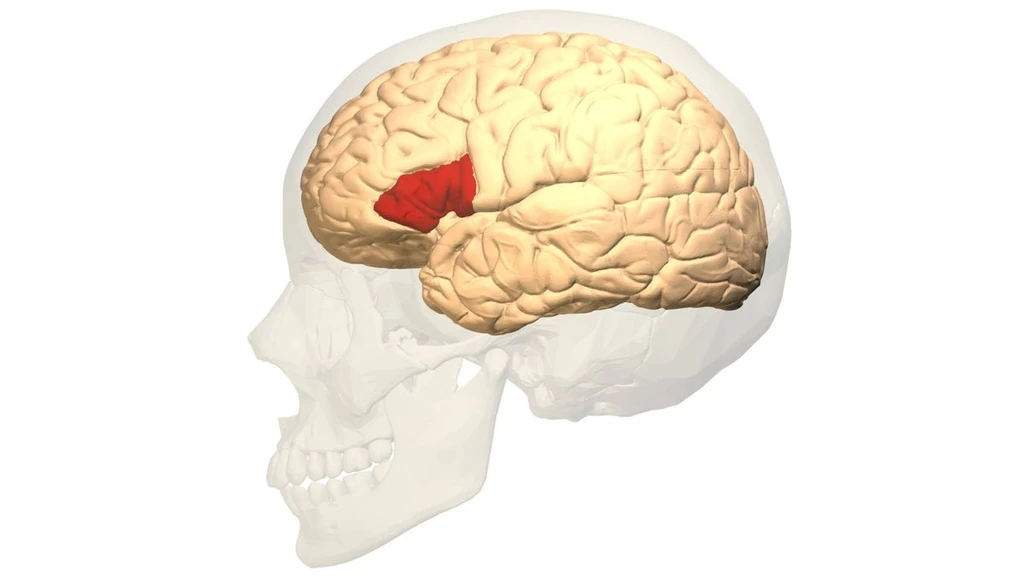
On April 18, 1861, Dr. Paul Broca performed an autopsy on a patient known as 'Tan' at Bicêtre Hospital in Paris. The patient, Louis Victor Leborgne, had lost his ability to speak at age 30 and could only utter one word. By examining Leborgne's brain, Broca identified a specific region in the left frontal lobe that he linked to the loss of speech. This landmark finding challenged the prevailing view of diffused brain function and provided strong evidence for localized cognitive abilities.
Broca's subsequent research on patients with aphasia reinforced his conviction that speech production was localized to this part of the frontal lobe, now famously known as Broca's area. While modern neuroscience has refined our understanding of speech networks, Broca's initial discovery remains a pivotal moment in understanding brain function.