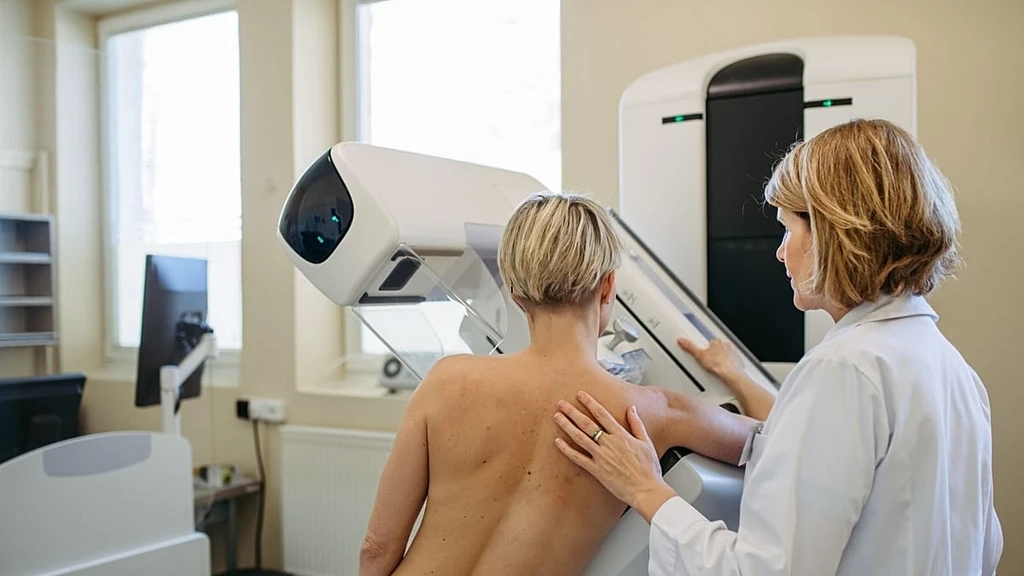
Breast cancer cases are projected to surge to 3.5 million by 2050, a substantial increase from 2023 figures. Annual deaths are also expected to climb 44 percent. This rise is attributed to global population growth and an aging demographic, even as cancer incidence and mortality rates remain stable.
Breast cancer is the world's most common cancer among women, representing roughly one in four cancer diagnoses in 2023. Despite advances in prevention and treatment, the disease led in cancer-related disability-adjusted life-years (DALYs) globally for women, resulting in millions of cases, hundreds of thousands of deaths, and millions of healthy life-years lost.
Factors contributing to this alarming trend include increased obesity, altered reproductive patterns like early puberty and delayed childbirth, and lifestyle changes such as high red meat consumption, tobacco use, and alcohol. "With more than a quarter of the global breast cancer burden linked to six modifiable lifestyle changes, there are tremendous opportunities to alter the trajectory of breast cancer risk for the next generation," stated study co-senior author Marie Ng.
While high-income countries have seen mortality rates fall, they still account for the majority of global breast cancer deaths. The burden is increasingly shifting to low- and lower-middle-income countries, where late-stage diagnoses and limited access to quality care contribute to higher death rates.