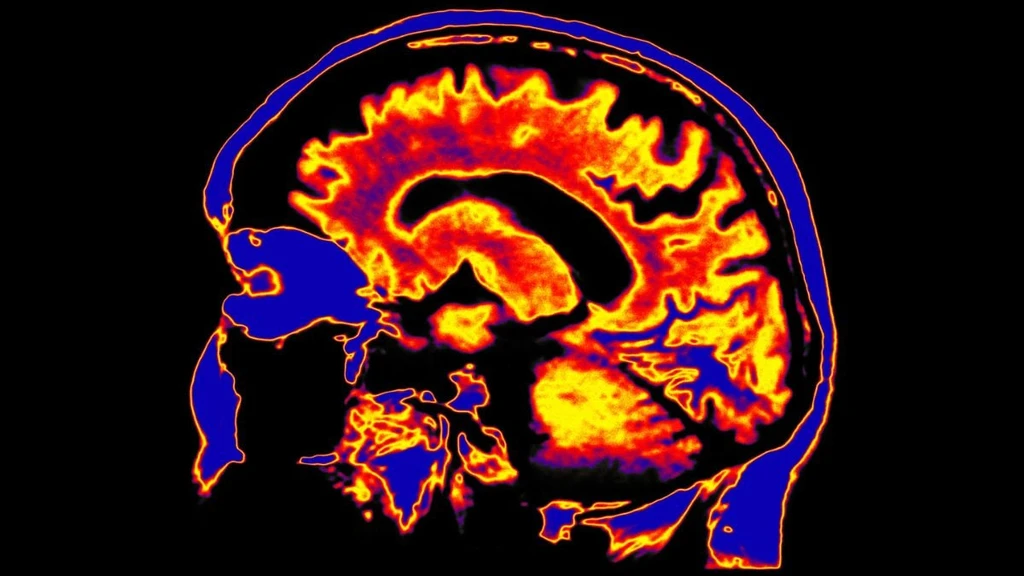
A new study from Griffith University in Australia suggests a potential biological cause for Chronic Fatigue Syndrome. Researchers discovered impaired function in the brain's glymphatic system-the recently discovered waste disposal network-in patients with Myalgic Encephalomyelitis/Chronic Fatigue Syndrome (ME/CFS).
Using non-invasive MRI techniques, the team scanned 31 ME/CFS patients and 27 healthy controls. They found reduced glymphatic function specifically in the right hemisphere of the patients' brains.
"This study is the first to demonstrate impaired glymphatic function in ME/CFS using MRI," said neuroimmunologist Kiran Thapaliya. "This suggests that dysfunction in the brain's natural cleaning system may be a key driver of this condition."
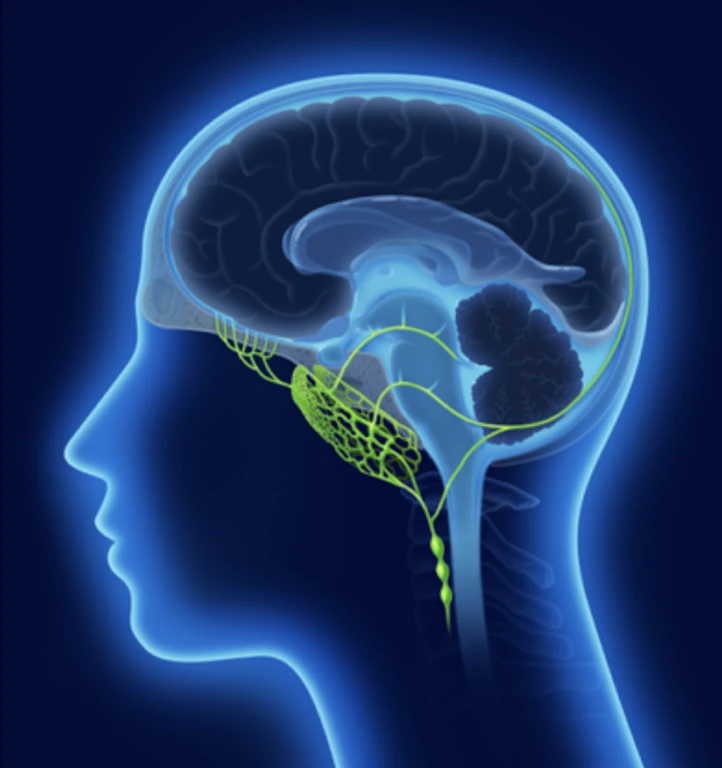
The preliminary research, published in Frontiers in Neuroscience, notes the severity of patients' sleep issues and 'brain fog' correlated with the degree of glymphatic dysfunction observed. This asymmetry has been reported in other neurological disorders like Parkinson's disease and epilepsy.
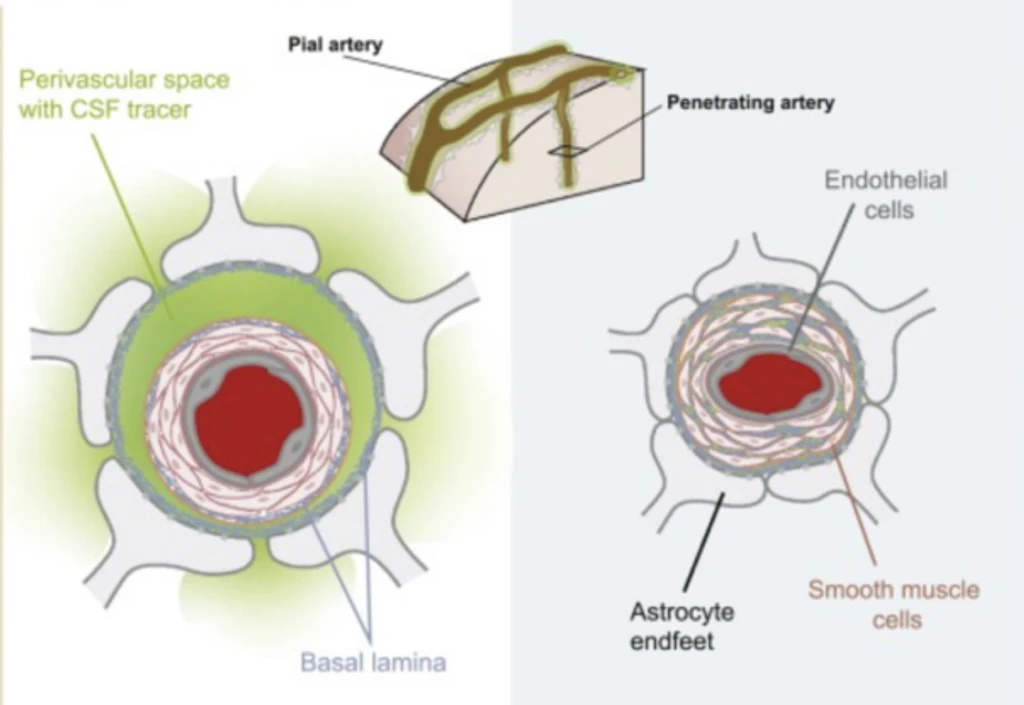
The findings support growing evidence that ME/CFS is a biological disease. They align with research linking glymphatic disruption to neurodegenerative conditions like Alzheimer's, where poor waste clearance may lead to inflammation.
"We hope the results can pave the way for better diagnosis... and importantly, future treatment for patients," said Sonya Marshall-Gradisnik, director of the National Center for Neuroimmunology and Emerging Diseases at Griffith.
While the study is small, it provides a new mechanistic hypothesis for a condition long misunderstood by the medical establishment.