
A new review of published studies suggests chronic stress, aging, cardiovascular disease, and depression - all linked to higher dementia risk - may share a common thread: sleep.
Neuroscientist Maiken Nedergaard of the University of Rochester argues these conditions disrupt the brain's sleep rhythms, potentially impairing the glymphatic system's ability to clear metabolic waste. That system, discovered over a decade ago, circulates cerebrospinal fluid through the brain and may flush out proteins associated with Alzheimer's and Parkinson's.
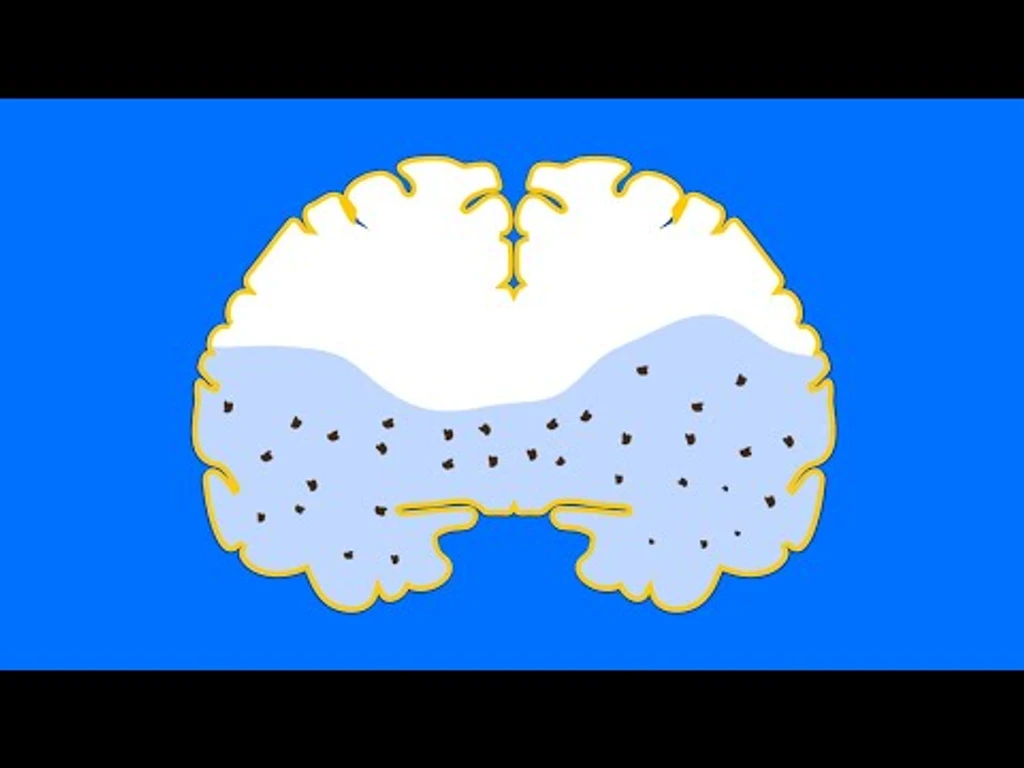
Nedergaard's review highlights that during non-REM sleep, key brain chemicals pulse in synchrony, helping blood vessels expand and contract to move fluid through the brain. Disrupted or drug-induced sleep weakens that rhythm, reducing waste clearance.
The review does not prove sleep causes dementia, but reinforces that the quality of sleep is integral to brain health. The findings are published in Science.
"During sleep, the brain shifts into a coordinated rhythm that appears to support one of its most important housekeeping functions," Nedergaard said.