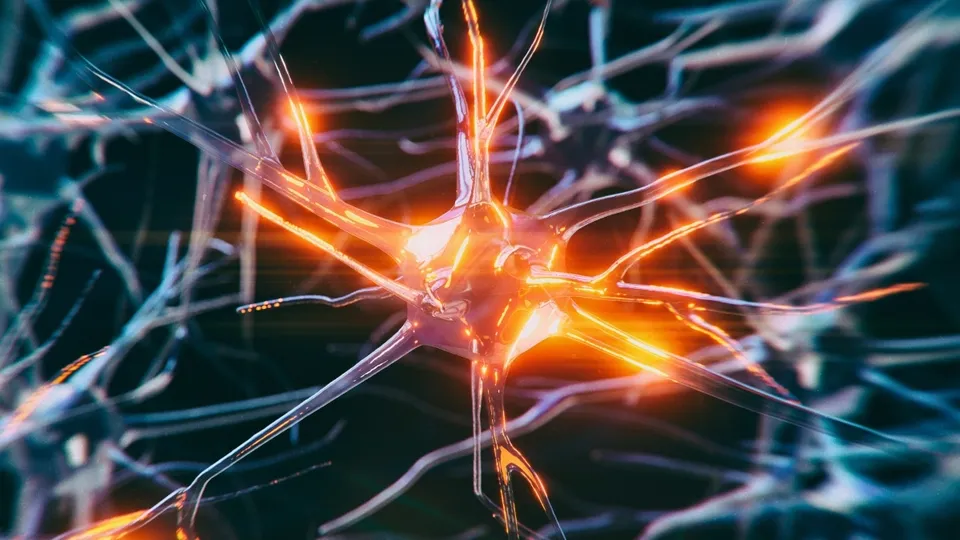
Some brain cells possess a natural defense against the toxic processes that lead to Alzheimer's disease and other forms of dementia. Scientists have now pinpointed the cellular mechanism responsible for keeping neurons healthy.
Neurodegenerative diseases are marked by the aggregation of toxic proteins in the brain, with misfolded tau proteins being a primary culprit. While functional tau proteins stabilize brain structures, their abnormal clumping is linked to advanced neurodegenerative conditions.
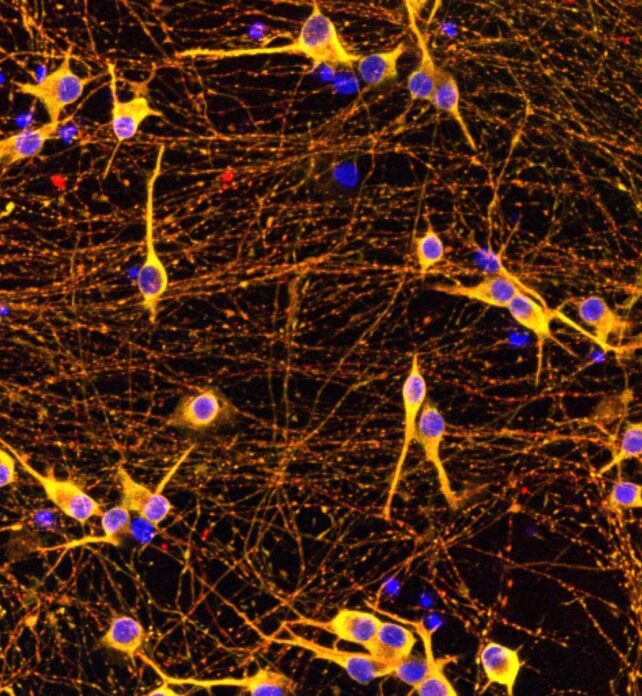
Researchers utilized CRISPR-based screening on human stem cell-derived neurons carrying disease-causing mutations. This approach allowed them to observe natural differences in tau processing within human cells, enhancing the relevance of the findings to human disease.
The study identified a key protein complex, CRL5SOCS4, that helps brain cells resist toxic tau accumulation. This complex tags tau proteins for destruction by cellular proteasomes.
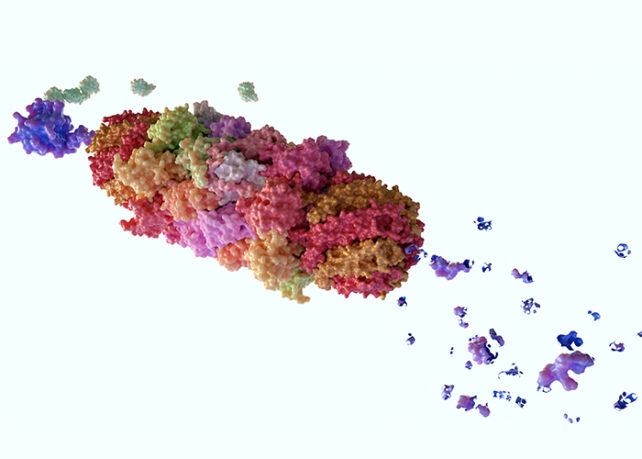
Analysis of brain tissue from deceased Alzheimer's patients confirmed that cells with higher CRL5SOCS4 expression exhibited greater survivability. The research also highlighted the role of mitochondrial dysfunction in tau protein fragmentation, a process linked to oxidative stress and aging.
These findings pave the way for potential therapeutic strategies, including enhancing CRL5SOCS4 activity to clear tau proteins before they clump, or protecting proteasomes from oxidative stress. Researchers suggest future therapies could bolster the body's natural defense mechanisms against neurodegeneration.