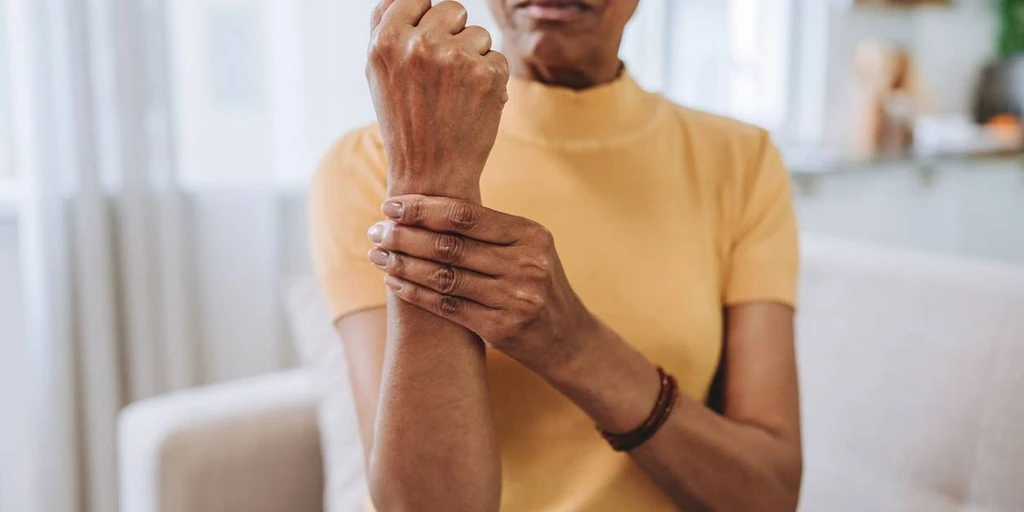
About 10 million people in the U.S. have osteoporosis. Roughly half of women over 50 with the disease will break a bone due to it. Biologics, expensive medications made from living cells, can treat osteoporosis, but biosimilars - less costly alternatives - may provide a solution.
Mary Bouxsein, a Harvard Medical School professor, highlights the 'huge undertreatment problem' in osteoporosis. Less than 30% of women with a hip fracture receive proper treatment. The menopausal transition increases osteoporosis risk, with estrogen loss speeding bone deterioration. Bone density before menopause plays a crucial role in preventing osteoporosis later.
Osteoporosis can lead to long-term health issues, including cardiovascular disease and mental health problems like depression. It also imposes a significant economic burden, costing the U.S. $19 billion annually. Biosimilars can save up to $54 billion by 2026, improving access to osteoporosis treatment worldwide.
Experts recommend proactive bone health measures, including regular exercise, calcium-rich diets, and considering biosimilars in bone health plans. Early prevention is key to reducing osteoporosis risks.