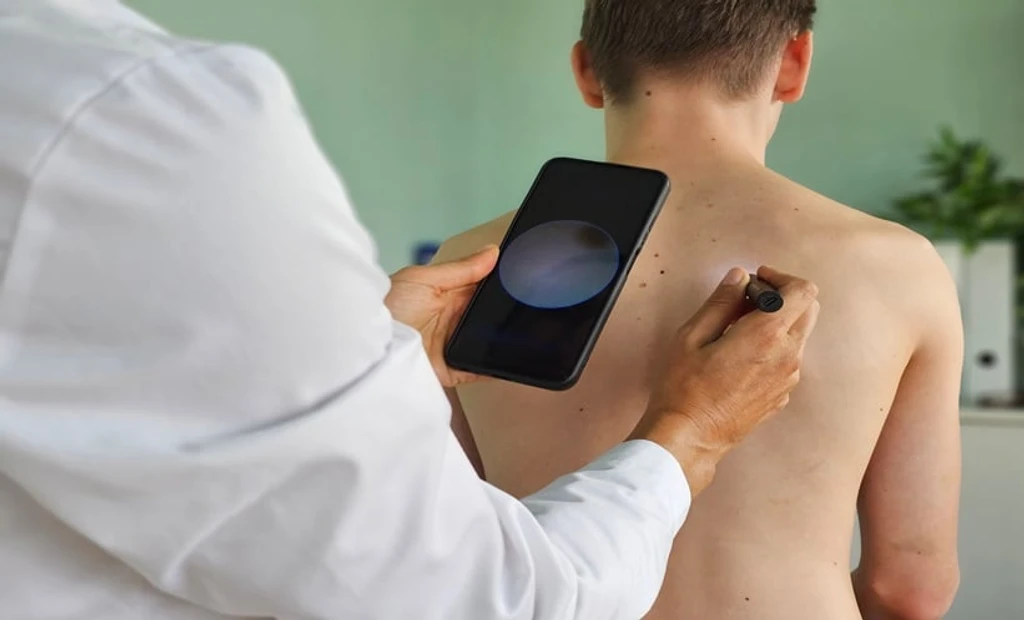
Artificial intelligence is now entering the consumer dermatology space, potentially improving how individuals recognize skin conditions. A recent study of 2,345 U.S. participants found that those using an AI-powered dermatology tool were more capable of naming visualized skin issues and more willing to offer a diagnosis compared to those using standard online searches.
In the research, participants reviewed de-identified skin cases. Those utilizing an AI tool showed a significant increase in condition naming accuracy, rising from 7.86% in a control group to 22.79% in the AI group. Confidence and satisfaction levels also improved, indicating a shift in consumer engagement with dermatological information through structured AI outputs.
However, the study highlighted a critical limitation: improved recognition did not consistently translate into better understanding of subsequent actions. Only a 'Wizard of Oz' group, which received dermatologist-provided diagnoses, showed a significant increase in next-step accuracy. This suggests that while AI can aid in identifying a condition, its current form often struggles to provide effective guidance on treatment, urgency, or follow-up care. The challenge remains to enhance not only diagnostic performance but also the communication of essential clinical context.