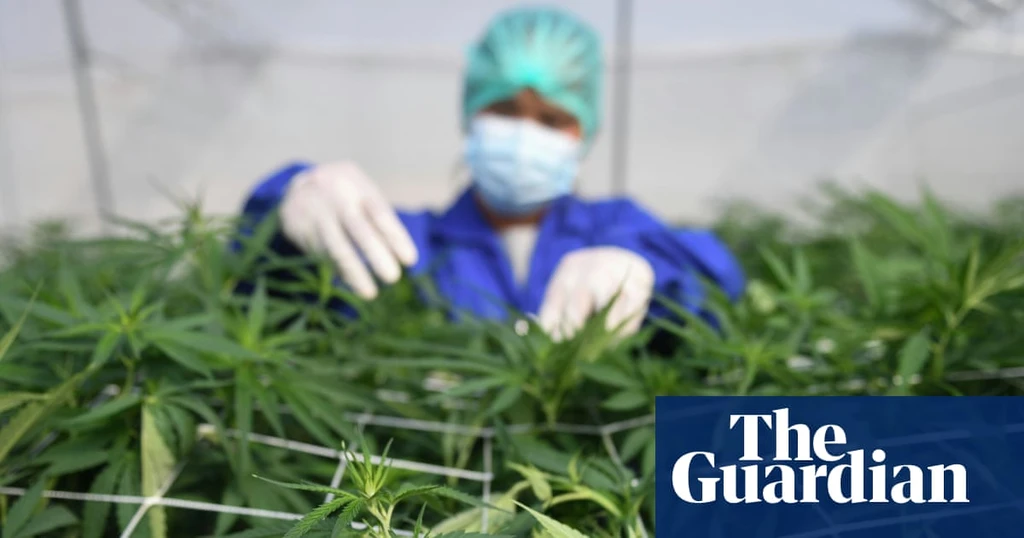
Cannabis is not an effective treatment for most common mental health conditions, according to the largest and most rigorous review to date.
Researchers from universities in Sydney, Brisbane, Melbourne, and Bath analyzed 54 randomized controlled trials involving 2,477 participants. They found “very little evidence” that cannabinoids help with anxiety, anorexia nervosa, psychotic disorders, post-traumatic stress disorder (PTSD), or opioid use disorder.
The study, published in The Lancet Psychiatry, also noted no reliable evidence supporting cannabis use for depression, ADHD, bipolar disorder, or obsessive-compulsive disorder. Some low-quality data suggested potential benefits for Tourette syndrome, insomnia, and autism-related traits-but findings were inconclusive.
“Given the scarcity of evidence, the routine use of cannabinoids for mental or substance use disorders is rarely justified,” the authors concluded.
Professor Sir Robin Murray of King’s College London criticized the proliferation of private cannabis clinics, calling them “drug dealers for the middle class.”
The UK’s Advisory Council on the Misuse of Drugs is currently reviewing the impact of legalizing medical cannabis in 2018, including unintended consequences.
While the Cannabis Industry Council cited real-world reports of symptom relief for anxiety and PTSD, leading psychiatrists urged caution. Professor Owen Bowden-Jones of the Royal College of Psychiatrists emphasized that patients deserve transparent, evidence-based guidance-not hype.