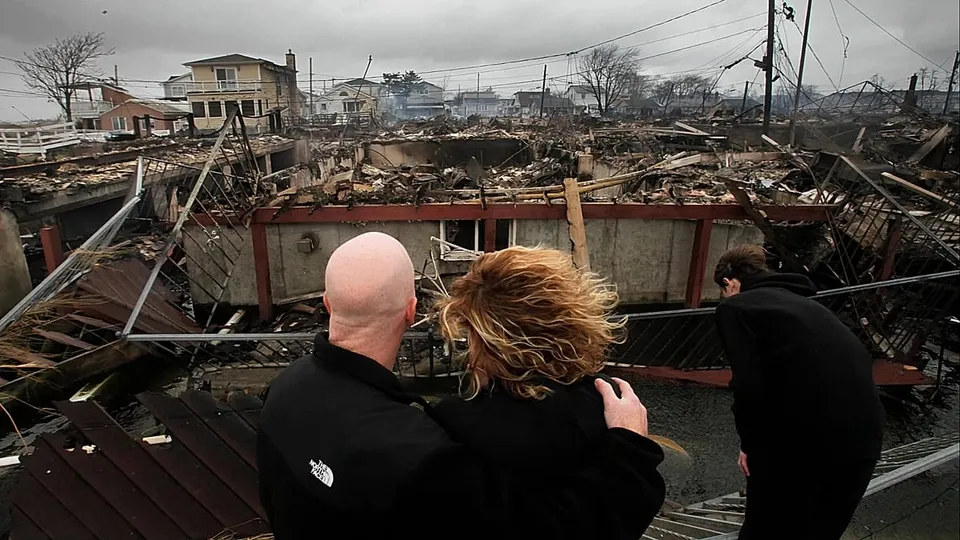
Extreme weather events, amplified by climate change, are increasingly impacting daily life. Beyond physical damage and economic costs, these phenomena are taking a significant toll on mental health, a condition increasingly identified as 'eco-anxiety'.
Psychologists define eco-anxiety as a chronic fear of environmental degradation, manifesting as emotional variability including anxiety, worry, fear, anger, and guilt. Physiological symptoms and changes in daily routines, such as sleep disturbances or a constant search for climate information, are also common.
Eco-anxiety can be triggered on three levels: direct experience of climate phenomena, indirect impact through consequences on infrastructure and livelihoods, and awareness from media or social information. The latter, often fueled by constant news cycles, is a primary driver for many.
Experts emphasize that eco-anxiety is a normal, adaptive response, not a pathology. However, when it significantly interferes with daily life, professional help may be necessary. Community support, education, and fostering empathy are crucial.
Strategies to combat eco-anxiety include direct action and involvement in environmental protection, which can foster a sense of usefulness and control. Engaging with like-minded groups and spending time in nature also prove effective in mitigating symptoms.
Recent studies highlight varying levels of eco-anxiety across Europe, with younger demographics and those more ecologically aware reporting higher concerns. The research underscores the need to address this growing mental health challenge with understanding and proactive solutions.