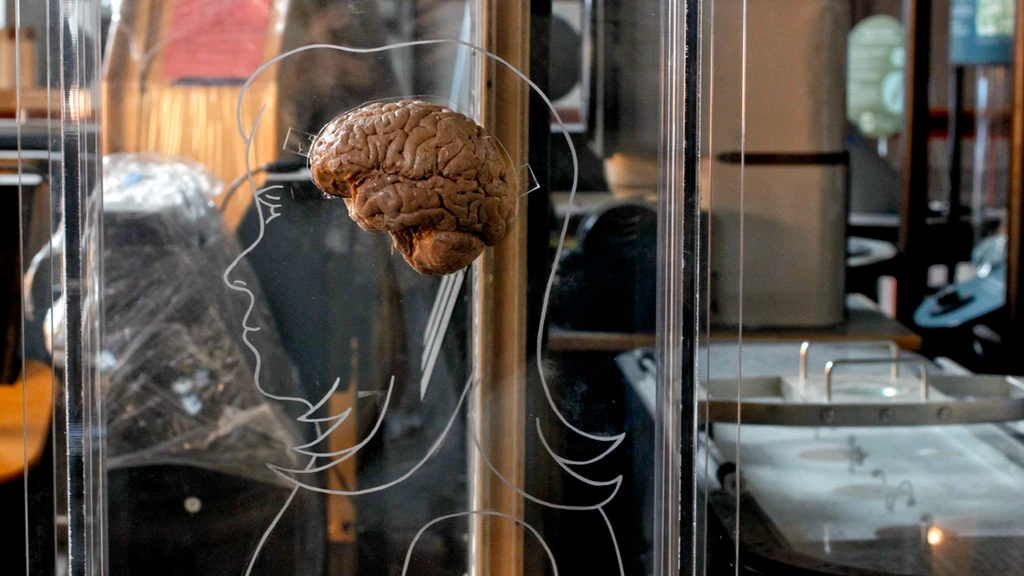
Cognitive neuroscientist Steve Fleming of University College London studies metacognition: our understanding of our own knowledge and thoughts. His research aims to measure and model this, identifying its neural basis.
Fleming's work sheds light on why some individuals are chronically underconfident, while others remain assured despite contradictory evidence. He explains that metacognition is measured by comparing objective task performance with subjective confidence ratings. High metacognitive efficiency means confidence accurately tracks performance.
Brain imaging techniques like fMRI and magnetoencephalography help identify neural correlates of metacognition. Researchers are exploring how patterns of brain activity relate to trial-by-trial confidence variations. Different brain stages are involved, from processing sensory input to higher-level prefrontal cortex activity that signals confidence more generally.
When metacognition falters, pervasive underconfidence can be linked to anxiety and depression. Individuals may struggle to learn from their performance or update their beliefs appropriately. Fleming notes that anxious individuals can become more underconfident over time due to rumination on decisions.
Conversely, a "sweet spot" of confidence, combined with good metacognitive sensitivity, can be adaptive. Projecting a degree of overconfidence may be socially advantageous, but it's crucial not to be overly swayed by it. Open-minded individuals with accurate metacognition tend to seek new information and update their beliefs, leading to a more accurate worldview.
Fleming suggests metacognition can be trained, particularly in educational settings, to cultivate critical thinking about one's own thoughts and decisions, potentially fostering more open-mindedness.