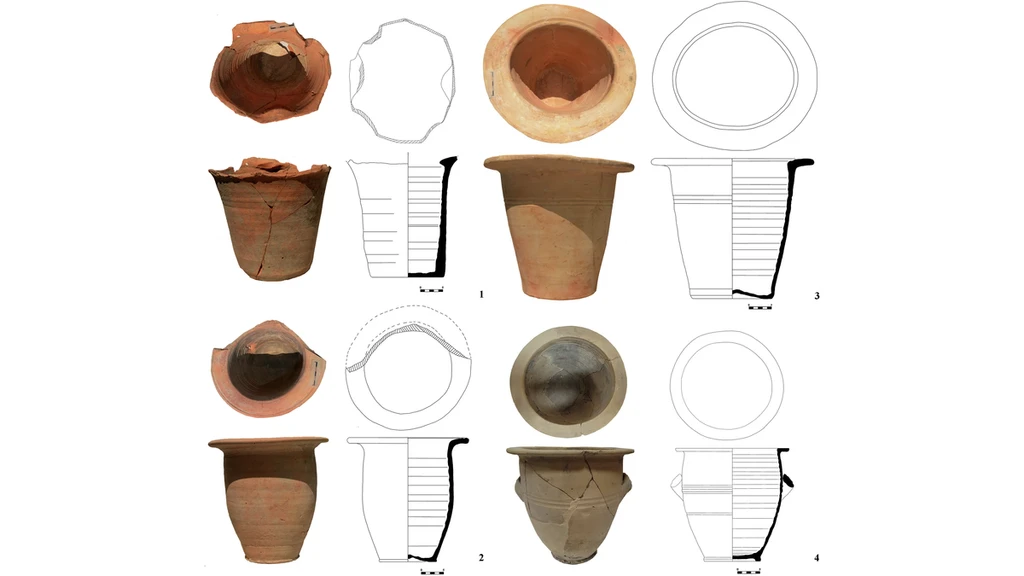
Fecal residue encrusted inside ancient Roman chamber pots unearthed in Bulgaria has yielded the oldest known evidence of humans infected with the Cryptosporidium parasite, which causes acute gastrointestinal distress.
Excavated at the Roman fortress Novae and the town Marcianopolis (present-day Svishtov and Devnya), the pots contained dried waste analyzed by ELISA testing. Researchers identified three pathogens: the protozoan Entamoeba histolytica, the parasite Cryptosporidium parvum, and the tapeworm Taenia.
While previous studies found intestinal worms and Giardia in Roman soldiers and city residents, this is the first detection of Cryptosporidium in an ancient Roman context and the earliest known human case globally.
Study lead author Elena Klenina of Adam Mickiewicz University said the parasite appeared in two separate chamber pots from Novae, suggesting the infection was relatively widespread in that community.
C. parvum typically infects animals and spreads to humans through contaminated soil or water. The first human cases were identified only in 1976. Earlier archaeological finds in Mexico dated Crypto to about A.D. 700, but a 5,000-year-old goat remains from the western Mediterranean tested positive, leading researchers to suspect the parasite may have originated in Europe rather than the Americas.
The infected Romans likely acquired the parasite from aqueduct-supplied water. Those suffering severe diarrhea would have used chamber pots at night rather than the public latrines open during the day.