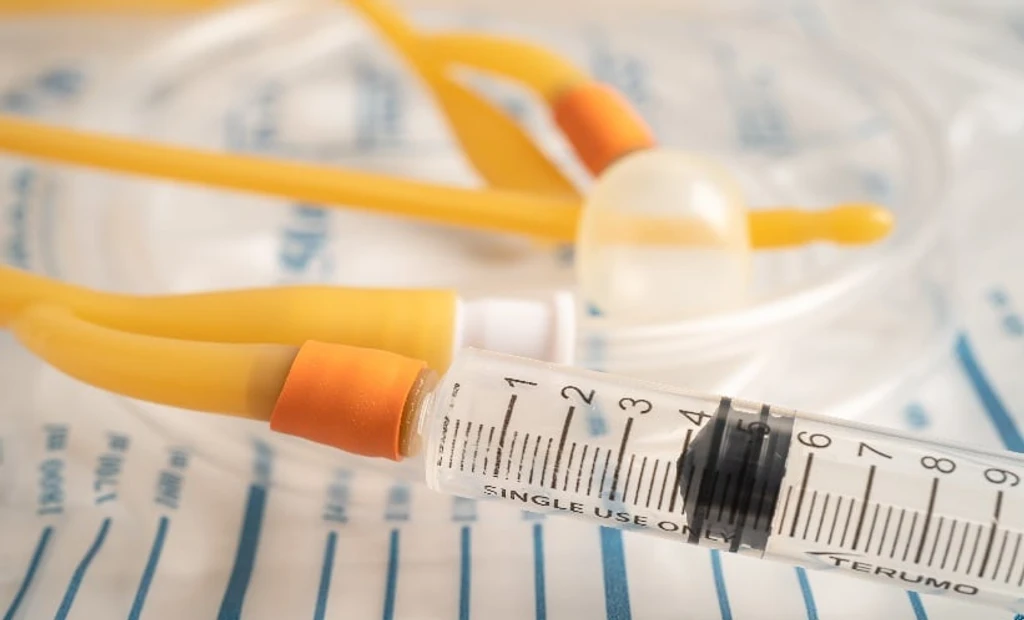
A study analyzing pelvic fracture patients has identified urinary catheter reinsertion, rather than prolonged catheter duration, as the primary driver of catheter-associated urinary tract infections (CAUTI). The research indicates that repeated catheterization after a failed trial of void dramatically elevates infection risk.
A retrospective review of 223 adult trauma patients found that extended catheter duration alone presented a low risk. However, reinsertion sharply increased infection rates, particularly when exceeding seven days. CAUTI, a common healthcare-associated infection, contributes to increased morbidity, mortality, and antibiotic resistance.
The study examined patients with pelvic fractures and no urethral injury. Patients who required no catheter replacements had a 2% CAUTI rate. This rose to 3.9% with one replacement and a significant 33.3% with two replacements. The highest risk, 77.8%, was observed in patients with catheters exceeding seven days and two replacements, compared to 4.9% in the same duration group without reinsertion.
These findings underscore that the number of catheter replacements is the key factor in CAUTI risk. While the study excluded female patients, clinicians are advised to optimize trial of void timing and minimize unnecessary reinsertions while adhering strictly to aseptic insertion protocols to reduce infection rates.