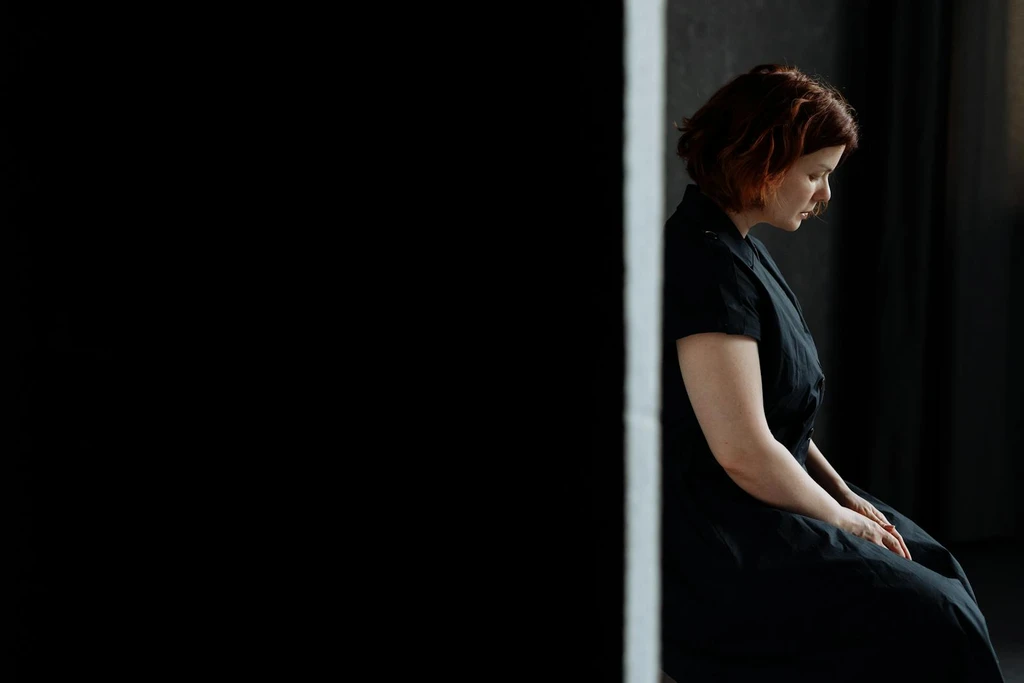
Children repeatedly told they were "too sensitive" often develop exceptional perception but struggle to trust their own feelings. These individuals learn to read social cues and environments with remarkable speed, cataloging subtle shifts in mood and atmosphere to avoid being blindsided. However, when their emotional responses were dismissed, they learned that their perception, though accurate, was unacceptable.

This creates a paradox: an extraordinary perceptual system paired with a broken trust mechanism. While they can map emotional terrain instantly, they often hesitate for hours or days to believe their own internal signals. This leads to suppressed emotions, self-doubt, and missed opportunities for authentic connection and boundary setting.
Psychologist Elaine Aron's research highlights that approximately 15-20% of the population possesses a nervous system that processes stimuli more deeply-a neurological trait known as sensory processing sensitivity. The wound occurs not from the trait itself, but from the environment's response. Dismissal teaches children their internal experience is secondary to others' comfort.

Adults who experienced this invalidation become adept at performing 'correct' emotional responses, masking their true feelings through constant internal calibration. The path to healing involves rebuilding "interoceptive awareness"-the ability to notice and interpret internal bodily signals without immediate external validation. The key is learning to trust these signals, recognizing that sensitivity is a functional architecture, not a flaw.