Health authorities in the Democratic Republic of Congo report 676 cases and 136 deaths from the Bundibugyo Ebola species in just three weeks. The World Health Organization warns the outbreak spans 34 health zones across a 1,000-kilometer area, driven by high population mobility and detection gaps.
UNICEF officials caution that household transmission is increasing, placing malnourished and unvaccinated children at extreme risk. In Ituri province, over half of children under five suffer chronic malnutrition, and many lack basic immunizations. Historical data indicates children often face the highest fatality rates during such crises.
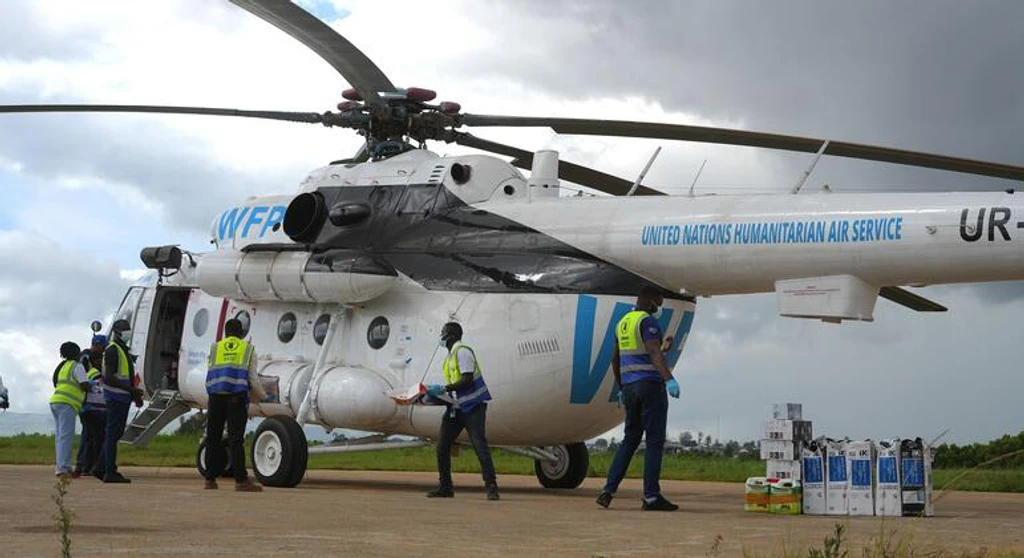
Unlike previous strains, no approved vaccines or therapeutics currently exist for the Bundibugyo virus. Contact tracing has improved to 70 percent but remains insufficient for containment. UNICEF has deployed emergency supplies and community health workers to support pediatric care and maintain school operations with safety protocols.
Humanitarian agencies emphasize that fast detection and trusted community engagement are critical to controlling the spread. However, success depends on securing adequate resources and safe access in this conflict-affected region.