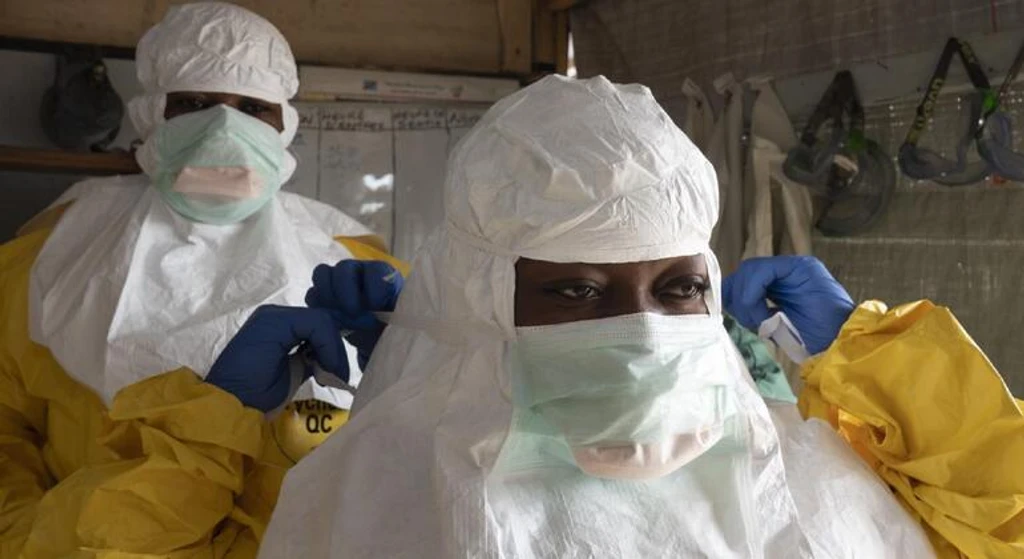
The World Health Organization’s representative in the Democratic Republic of Congo, Dr. Anne Ancia, reported over 500 suspected Ebola cases, including 130 suspected deaths, with only 30 confirmed so far. The outbreak stems from the Bundibugyo virus, a species of Ebola for which no vaccines or therapeutics exist.
Initial cases were detected in Ituri province, but the outbreak has spread to North Kivu, including the cities of Butembo and Goma. Uganda has confirmed two imported cases. WHO Director-General Tedros Adhanom Ghebreyesus declared the outbreak a Public Health Emergency of International Concern on Sunday, citing the “scale and speed of the epidemic.”
Health officials face significant uncertainty about the total number of infections and the virus’s reach. Detection was delayed because local tests initially showed negative results for the Zaire strain of Ebola, and symptoms like fever, fatigue, and diarrhea are common to many diseases. Nosebleeds, a key sign, often appear only five days after infection.
Testing in Kinshasa eventually identified the Bundibugyo strain. The WHO is convening a technical advisory group to recommend which potential vaccine to prioritize. The Ervebo vaccine, effective against the Zaire strain, could be available in two months, but officials stress the critical need for community engagement to prevent the spread.
Dr. Ancia warned, “If we use coercive measures, we will see bodies disappear. Suspected cases will refuse to come to hospitals.” The response focuses on awareness campaigns in schools and churches.
The affected provinces host over two million internally displaced people. UNHCR reports that 11,000 South Sudanese refugees in Ituri and more than 2,000 Rwandan and Burundian refugees in Goma need preventive assistance. The last Ebola Zaire outbreak in DRC ended in December 2025, and the trauma of the 2018-19 epidemic remains.